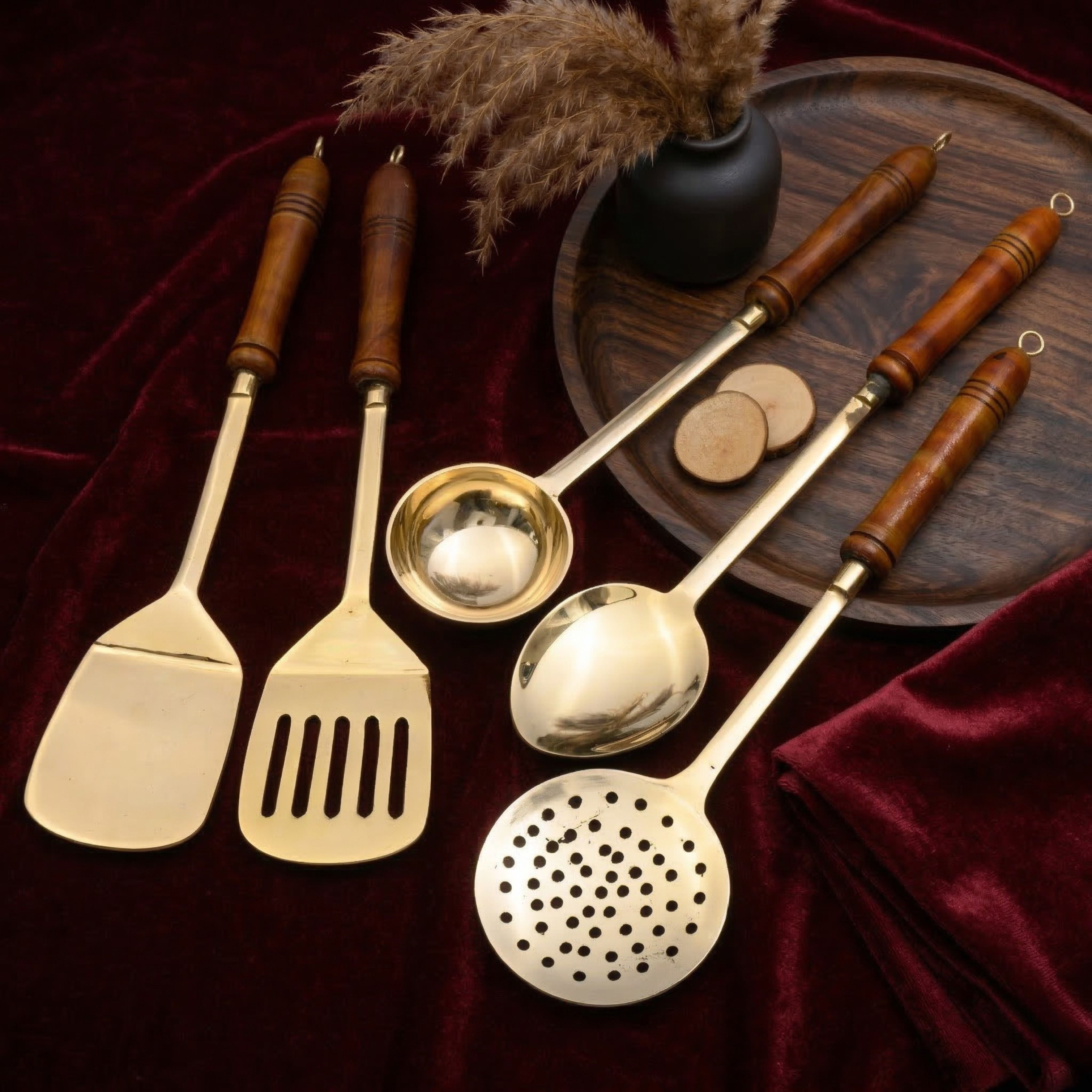
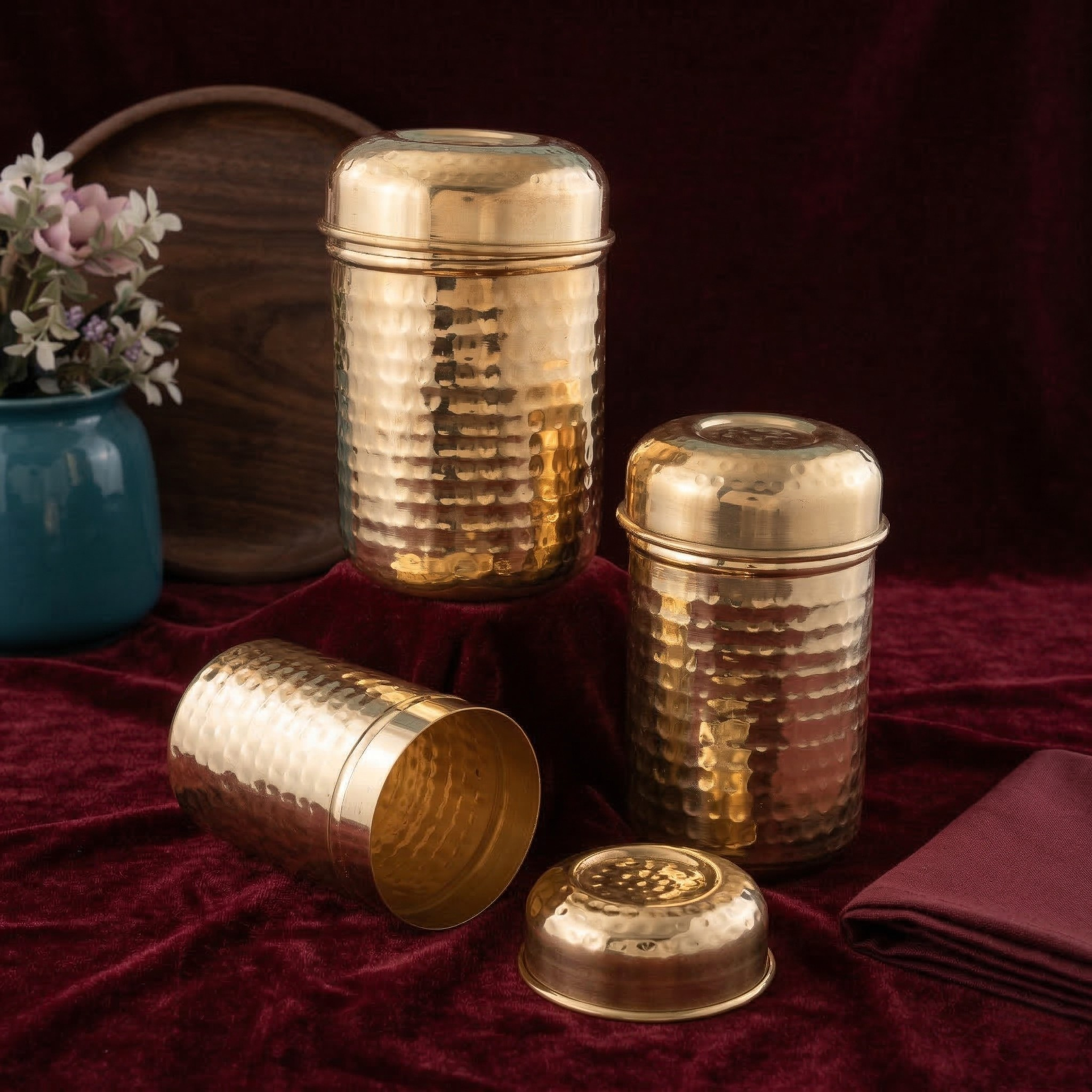
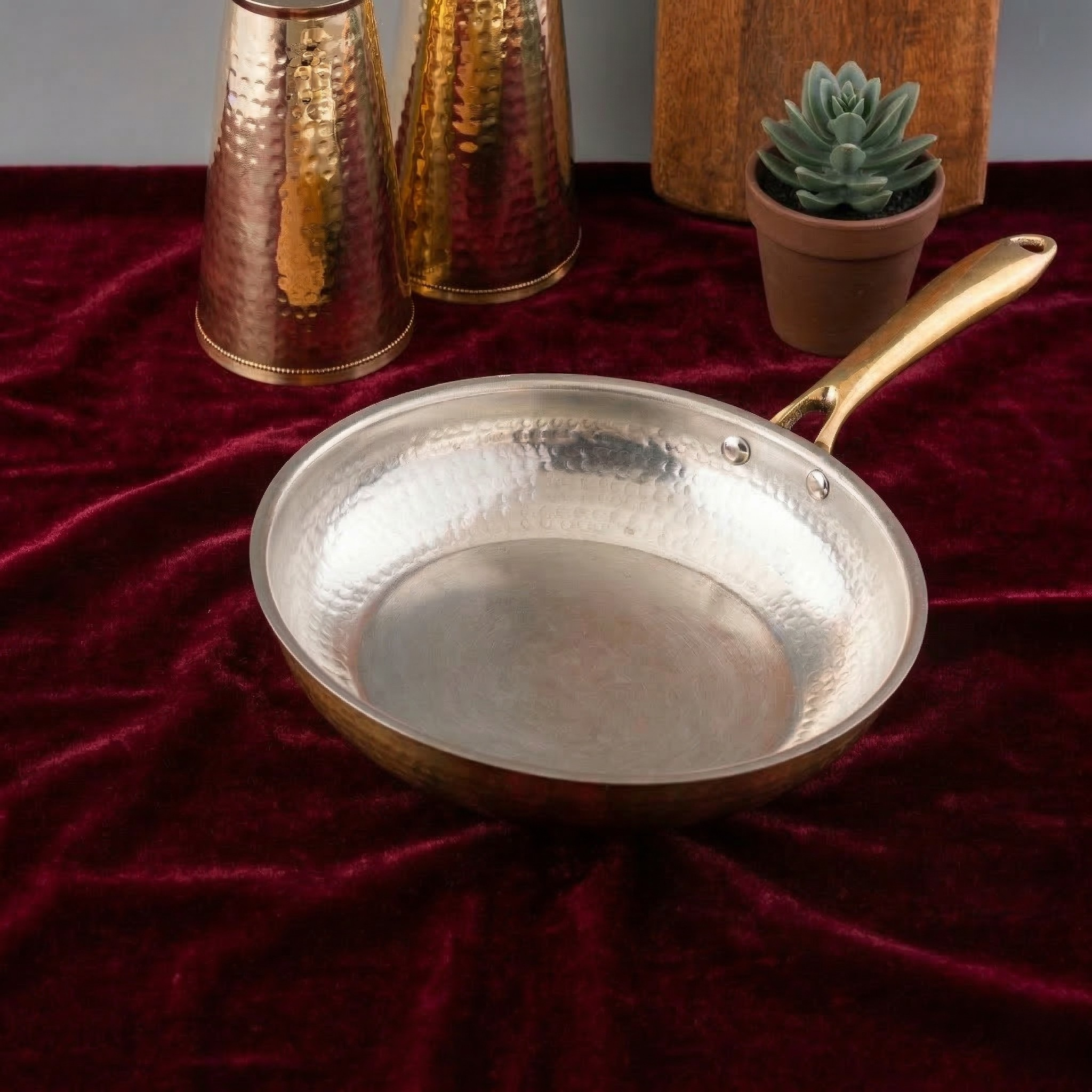
Eating in bronze utensils supports digestion, brings a natural antimicrobial layer from the copper in the alloy, helps food hold onto more of its nutrients while cooking, and has stayed part of Indian dining for generations because the reasoning behind it still checks out. Bronze, commonly known as Kansa in India, has long been valued for its durability, traditional significance, and everyday practicality. While modern kitchens offer countless cookware options, many families continue to use bronze utensils because they combine time-tested practices with qualities that remain relevant today.
Interest in bronze utensils has grown as more people look beyond convenience and pay closer attention to the materials they use for cooking and serving food. Some benefits are rooted in Ayurveda, while others relate to the natural properties of copper and the way bronze performs during everyday use. Understanding the difference between traditional beliefs and evidence-backed advantages helps you make an informed choice before bringing bronze utensils into your kitchen.
What Makes Bronze Different From Other Metals on the Table
The bronze used in Indian kitchens has a specific name: Kansa. It's an alloy of copper and tin, not copper and zinc like brass, and not plain copper either. That tin content changes how the metal behaves once it comes into contact with food and heat, which is a big part of why it earned a permanent spot in Indian households rather than fading out like a lot of older kitchenware has.
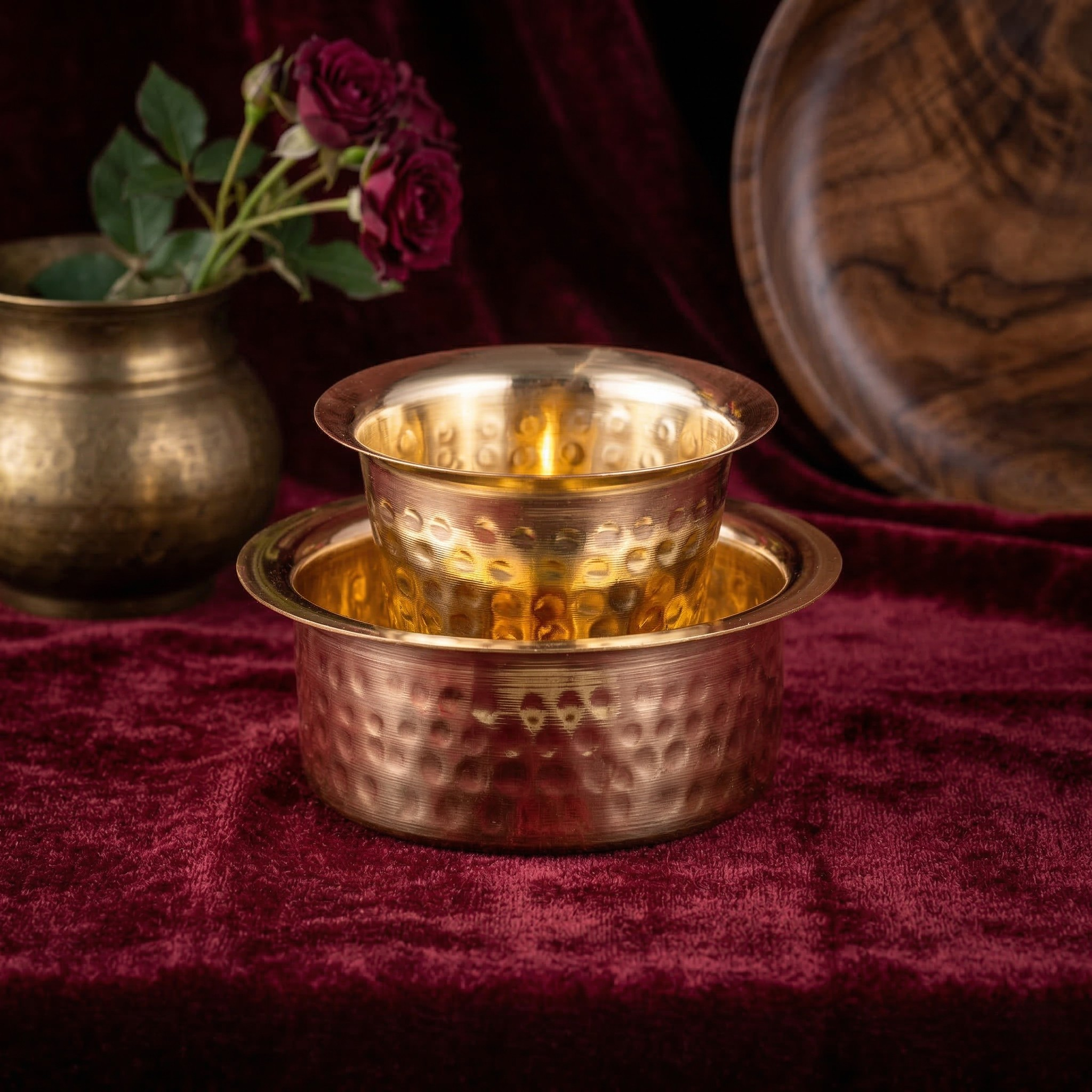
Different regions call it different things. Kansa in the north and east, Vengalam or Kanchu in parts of the south. The name changes, the metal doesn't. What's stayed consistent across generations is that this wasn't treated as festival-only tableware. Families used bronze thalis, bowls, and tumblers for regular meals, and aat Kansa (bronze) utensils built for daily use instead of one-off decorative pieces. lot of that habit is making a comeback now as people look
The Core Health Benefits of Eating in Bronze Utensils
This is where most people actually want answers, so here's each benefit broken down with the reasoning behind it, not just the claim.
Better Digestion, Explained
Kansa is alkaline. Most Indian cooking leans acidic and heavily spiced, and eating that food off an alkaline surface, day after day, is part of why bronze thalis were the everyday default rather than the occasional treat.
In Ayurvedic terms, this connects to agni, the body's digestive fire. The idea is that food served in Kansa supports agni rather than working against it, which is why elders in a lot of households insisted on bronze plates for daily meals and not just weddings or festivals. This isn't a detox trend dressed up in old language. It's a practical habit that predates the word "wellness" by a few thousand years, and it's held on precisely because people noticed it worked without needing a scientific explanation to back it up.
A Natural Layer of Protection From Bacteria
Copper's antimicrobial behavior is well established and reasonably well studied at this point. Surfaces made with copper alloys are known to reduce the survival of certain bacteria on contact, which is part of why hospitals have started using copper-infused touchpoints in high-risk areas. Kansa, carrying a significant copper content, shares some of that same property.
This is likely why bronze tumblers, not just plates, were the household standard for serving milk and water. Liquids sit in contact with the surface longer than a quick meal does, so a tumbler had more of a job to do than a plate, and bronze was the material trusted with it.
More Nutrients Stay in Your Food
This benefit comes down to how the metal handles heat. Bronze distributes heat evenly and doesn't carry a chemical coating that can degrade under high temperatures the way some modern non-stick surfaces do. That matters more for dishes that spend a long time on the flame, like dal or a slow-cooked sabzi, than it does for something quick like a stir-fry.
We won't rebuild the full material-by-material comparison here, since that's already covered in detail alongside authentication tips in the Kansa utensils safety guide. But as a general reference point, studies on traditional metal cookware have found nutrient retention figures around 97% for bronze, compared to noticeably lower retention in some modern alternatives. The gap is real, and it's one reason people cooking dal and curries in bulk still reach for bronze or brass vessels over anything with a synthetic coating.
Copper's Role in Everyday Immunity
Copper is a trace mineral the body genuinely needs, and it plays a role in white blood cell activity and general immune function. Eating and drinking from Kansa utensils contributes a small, steady amount of dietary copper over time. It's not a treatment for anything, and it shouldn't be framed as one. Think of it as a quiet background contribution rather than a headline benefit, the kind of thing that adds up over years of regular use rather than one meal.
This is also why bronze glasses were traditionally handed to children for their daily milk, long before anyone was talking about trace minerals in those terms.
Supporting the Body's Natural Balance
Ayurveda organizes the body around three doshas: Vata, Pitta, and Kapha. Kansa is traditionally associated with balancing Pitta, the dosha linked to digestion and metabolic heat. This is a belief rooted in a much older system of thought, not a clinical claim, and it's worth stating plainly rather than dressing it up as proven science. It's one more layer in why the tradition took the shape it did, alongside the digestion and antimicrobial reasoning already covered above.
The Sanskrit Wisdom Behind Bronze and Mental Clarity
There's an old Sanskrit phrase connected to Kansa that doesn't get much attention outside Ayurvedic circles: कांस्यं बुद्धिवर्धकम्, roughly translated as "Kansa enhances intellect." It's a specific, distinctive claim, and it deserves more than a passing mention.
In Ayurvedic classification, metals are grouped by their qualities, and Kansa is considered a sattvic metal, associated with calmness, mental clarity, and balance rather than agitation or heaviness. That's a different kind of benefit than digestion or immunity. It's about the state of mind someone is in while eating, not just what happens to the food.
This is part of why bronze utensils traditionally showed up around quiet, deliberate meals, family dinners, meals eaten before or after prayer, rather than casual snacking on the go. Nobody was claiming a bronze thali would make a child smarter overnight. The idea was subtler: that eating with intention, off a metal associated with steadiness, reinforced a calmer relationship with food itself. Worth understanding as cultural and traditional insight, not a marketing pitch dressed up as neuroscience.
Durability and the Case for Buying Once
Bronze holds up. It resists corrosion, handles repeated exposure to cooking heat without breaking down, and doesn't wear out the way non-stick coatings do after a couple of years of regular scrubbing.
Here's the practical way to think about it: cheap cookware gets replaced every few years almost by design. A well-made bronze thali or bowl, cared for properly, can realistically stay in a family's rotation for decades. Run the cost-per-year math on that and bronze starts looking a lot less expensive than the upfront price tag suggests.
One thing worth knowing upfront: bronze develops a natural patina over time, a slight darkening or shift in tone. That's not damage. It's a sign of age and genuine use, the same way a well-seasoned cast iron pan tells you it's been put to work. For the full routine on cleaning, polishing, and keeping bronze utensils in good shape long-term.
Aesthetic and Cultural Value at the Table
There's also a benefit here that has nothing to do with digestion or minerals. Bronze has a warm, golden-brown finish that shifts character with age and use, and it looks genuinely different from the flat shine of steel or the matte white of ceramic.
That's part of why bronze dinnerware shows up so often as a wedding or housewarming gift. It carries both function and meaning in a single object, which is a harder combination to find than it sounds. Some households still keep their bronze pieces reserved for special meals and festive occasions, though a growing number are moving them into everyday rotation as interest in traditional tableware and dinnerware continues to build. We've written more specifically about that shift in our piece on why Kansa tableware is trending in Indian homes, if the aesthetic side of this interests you beyond what's covered here.
Where Bronze Utensils Have Limits
No material is perfect for every job in a kitchen, and bronze is no exception. It reacts with highly acidic foods over long contact time, things like tomatoes, tamarind, vinegar, and citrus, so it's not the right choice for storing those items for extended periods. It also needs occasional polishing to stay bright, though again, the natural patina by itself isn't a flaw. And like any metal, it has no place in a microwave.
None of this makes bronze a bad choice. It just means it's suited to specific jobs, primarily eating, serving, and drinking, rather than being a stand-in for every piece of cookware in the house. For the complete breakdown of what to avoid, how genuine bronze differs from imitation pieces, and who should be cautious with heavy metal utensils in general.
Bronze Utensils in Daily Life Today
In practice, most households don't overhaul their entire kitchen at once. A more realistic pattern looks like this:
-
A bronze thali used for daily meals, kept alongside the regular dinnerware
-
A tumbler or two reserved for milk, water, or thandai
-
A serving bowl brought out specifically for dal or curry, where nutrient retention actually matters most
Bronze also tends to sit comfortably alongside copper and brass in the same kitchen, each handling a slightly different role. Copper usually takes over drinking water storage, brass often shows up in cooking vessels and pooja items, and bronze covers the actual eating experience. If you're building out a kitchen with these traditional metals, browsing a dedicated cookware and kitchenware collection alongside a pure copper range gives a clearer picture of how these materials complement each other rather than compete.
The practical takeaway, if you're considering this for the first time: start with one piece. A single thali, a couple of glasses, a bowl used consistently for the same meal each day. That's a far more realistic entry point than trying to replace an entire kitchen's worth of dinnerware in one go, and it's exactly how most families who use bronze daily actually got started.
To bring it back to where we began: eating in bronze utensils supports digestion, adds a natural layer of antimicrobial protection, helps preserve more of what's actually in your food, lasts long enough to outlive several generations of cheaper cookware, and carries a cultural association with calm, intentional eating that most people have never heard explained properly. These aren't overnight miracle claims. They're benefits built on generations of consistent use, backed in part by what's now understood about copper's properties, and still relevant for anyone eating today.
If you're looking to bring genuine, well-made bronze and Kansa utensils into your own kitchen, that's exactly what Raj Gharana Metals has spent years handcrafting.
FAQs
1. Is it healthy to eat in bronze utensils?
Yes, bronze utensils are considered a healthy choice for serving food when used correctly. They have been part of Indian households for generations due to their durability and traditional significance. Bronze also contains copper, a metal known for its natural antimicrobial properties. While Ayurveda values Kansa for supporting overall well-being, its health benefits should be viewed alongside a balanced diet and healthy lifestyle.
2. Can bronze utensils be used every day?
Yes. Bronze utensils are suitable for everyday use, especially for serving meals and drinking water or milk. They are durable enough for regular use and can last for decades with proper care. Many families use bronze thalis, bowls, and tumblers as part of their daily dining routine.
3. Are bronze utensils safe for cooking?
Bronze can be used for cooking certain dishes, though it is best suited for foods that are not highly acidic. Ingredients such as tomatoes, tamarind, vinegar, and citrus may react with the metal if cooked or stored for long periods. For most people, bronze is commonly used for serving and eating rather than for preparing every type of meal.
4. What is the difference between bronze, brass, and copper utensils?
Bronze, also known as Kansa, is made from copper and tin. Brass is an alloy of copper and zinc, while copper utensils are made primarily from pure copper. Each metal has different properties, maintenance requirements, and traditional uses. Bronze is widely preferred for serving food because of its strength, durability, and balanced composition.
5. Do bronze utensils have antimicrobial properties?
Bronze contains copper, which has natural antimicrobial properties. Laboratory studies have shown that copper surfaces can reduce the survival of certain microorganisms. While this does not replace proper cleaning or food safety practices, it is one of the reasons bronze has been valued for food contact over many generations.
6. Can acidic foods be served in bronze utensils?
It is best to avoid storing or serving highly acidic foods in bronze utensils for extended periods. Foods containing tomatoes, lemon, tamarind, vinegar, or citrus fruits may react with the metal over time. Using bronze for regular meals that are not highly acidic is generally a better choice.
7. How do you clean and maintain bronze utensils?
Wash bronze utensils with mild soap and warm water after use. Dry them thoroughly to prevent moisture from sitting on the surface. Occasional polishing with a suitable metal cleaner or traditional cleaning methods can restore their shine, while the natural patina that develops over time is normal and does not affect their usability.
8. How can you identify genuine Kansa utensils?
Authentic Kansa utensils are made from a bronze alloy of copper and tin. Genuine pieces usually have a solid feel, produce a distinctive ringing sound when lightly tapped, and develop a natural patina with use. Purchasing from a trusted manufacturer is the best way to ensure authenticity.
9. Why are bronze utensils important in Ayurveda?
Ayurveda considers Kansa a beneficial metal for everyday dining and traditionally associates it with supporting digestion and maintaining balance in the body. These views are part of Ayurvedic practice and should be understood as traditional knowledge rather than proven medical claims.
10. Are bronze utensils worth buying?
For many households, bronze utensils are a worthwhile long-term investment. They are durable, reusable, and can last for generations with proper care. Beyond their practical use, they also carry cultural value and remain a popular choice for people who appreciate traditional Indian cookware and dining practices.
Looking for Authentic Bronze Utensils?
Discover handcrafted Kansa thalis, bowls, tumblers, and servingware made with quality materials and traditional techniques for everyday use. Every piece is made from 100% authentic Kansa bronze and crafted to meet high quality standards. Designed for everyday dining with the durability to last for years.
Buy Bronze (Kansa) Utensils