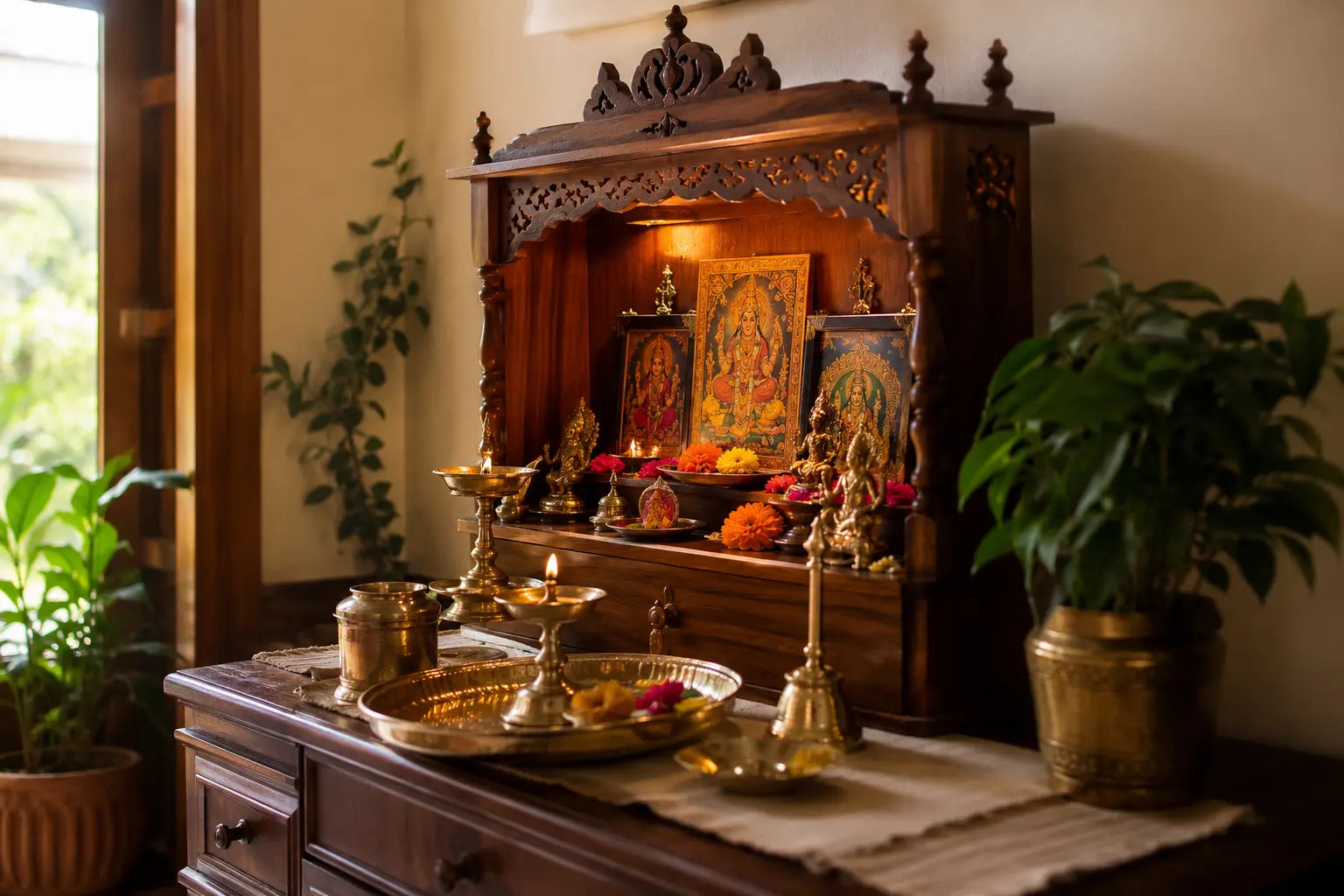
If you want to set up a home temple for daily pooja, start with three things: a clean, quiet corner facing east or north, a raised platform for your idols, and a basic set of pooja items in copper or brass. Everything else, the decoration, the lighting, the extra rituals, can be added over weeks. Most people overthink this step and end up delaying their daily worship by months while they wait for the "perfect" setup. You don't need that.
A home temple, or a mandir as it's called in most Indian households, doesn't need to be elaborate. It needs to be functional, clean, and used every day. I've seen tiny apartments in Mumbai with a single wooden shelf that gets more genuine devotion than some marble-clad temple rooms that sit untouched except on festivals.
This guide walks through the actual process, room by room decision, item by item, so you can set up something that works for your space and your routine.
Choosing the Right Location in Your Home
Location matters more than most people realize when they're planning this out.
Vastu principles, which a lot of Indian families still follow even loosely, suggest the northeast corner of the house (called Ishan Kon) is the most auspicious spot for a temple. If that's not available, north or east-facing walls are the next best options. The idea is that your face should point east or north while praying, since these directions are associated with positive energy in traditional belief systems.
Here's what actually matters in practical terms:
-
Avoid the bedroom if you can help it. Many traditional households consider it inappropriate to have gods facing your bed. If you live in a one-room setup, use a cabinet or a wall-mounted unit with doors that close.
-
Never place it under a staircase or in a bathroom-adjacent wall. This comes up constantly with people renovating older flats where space is tight.
-
Kitchen corners work fine in many South Indian homes, actually, since cooking is itself considered a form of daily offering. Just keep the temple area separate from where raw meat or onions and garlic are stored, if your family follows that practice.
-
Balconies and terraces are increasingly popular in apartment living, especially for tulsi plants alongside a small temple setup, as long as it's covered from rain and direct harsh sun.
If you're in a rented flat and can't drill into walls or make structural changes, a simple wooden temple unit that sits on a table or a low chest of drawers does the job without any permanent alteration.
What You Actually Need: The Essential Pooja Items List
This is where people either overspend on things they don't need or underprepare and end up running to the store mid-ritual. Here's a realistic breakdown.
Core Items (Non-Negotiable)
-
Idols or photographs of your chosen deities, sized to fit your space comfortably. Small brass or marble murtis work well for compact temples.
-
A diya or lamp for the daily aarti. Brass lamps with a wide base are the traditional standard because they don't tip over easily and the metal holds heat without cracking.
-
An incense stand (agarbatti holder) since loose ash on a wooden shelf becomes a mess fast.
-
A small bell (ghanti) rung at the start of aarti to signal the beginning of worship.
-
A thali or plate to hold kumkum, sandalwood paste, rice grains, and flowers.
-
A kalash or small water vessel, traditionally copper, used for offering water and for storing water blessed during rituals.
Items That Make Daily Use Easier
-
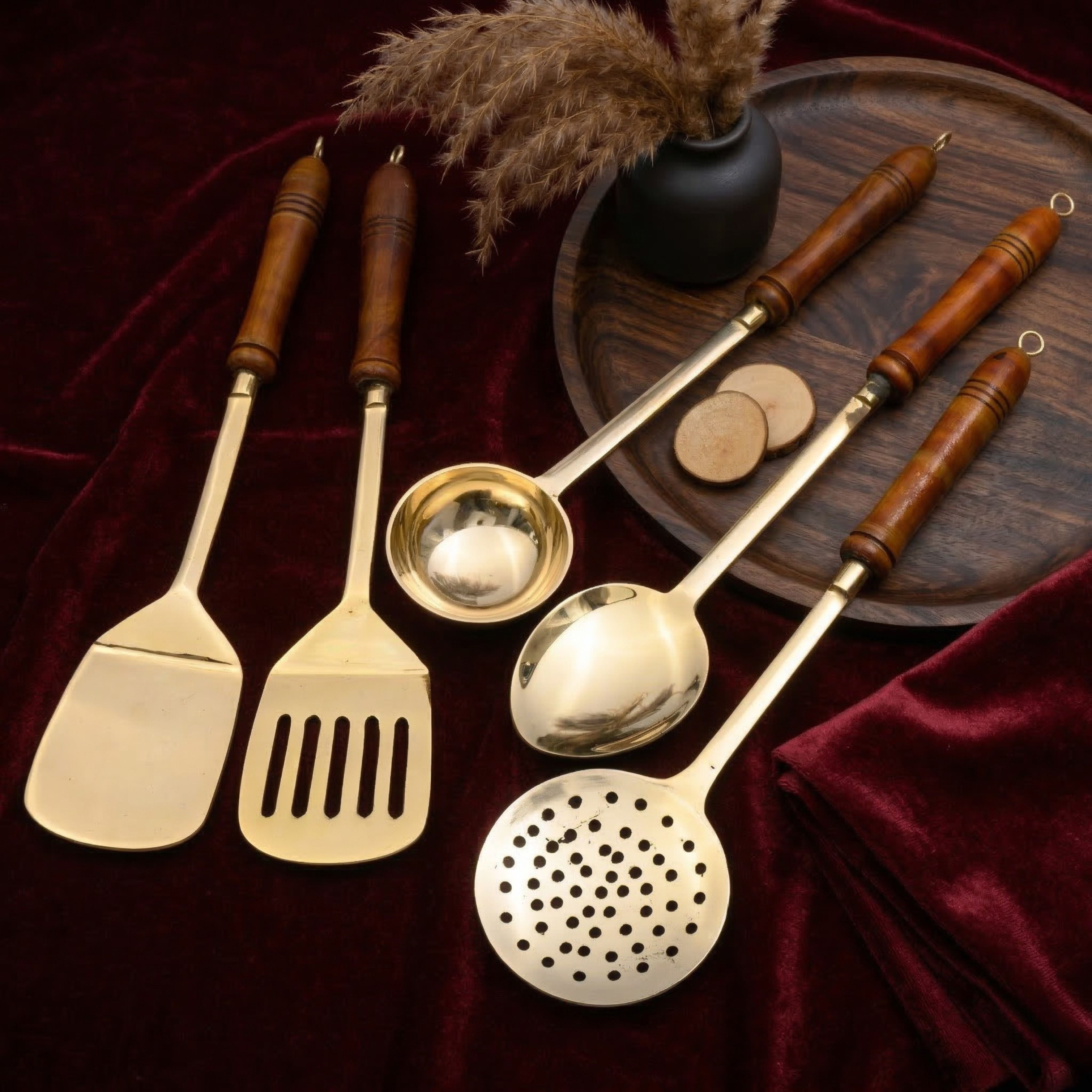
A small spoon (uddharani) for handling water or ghee without touching it directly.
-
A cotton wick tray if you're lighting multiple wicks daily rather than using ready-made cotton diyas.
-
Camphor holder, separate from your main diya, since camphor burns fast and hot.
-
A bell metal or brass plate dedicated only to naivedyam (food offerings), kept separate from your kitchen thalis.
One thing worth mentioning: the metal you choose for these items isn't just about tradition. Copper and brass are known to resist bacterial buildup better than plastic or steel, which matters when you're storing water or handling food offerings daily. A study published by the International Journal of Environmental Research and Public Health has noted copper's antimicrobial properties against several bacterial strains, which is part of why it has stayed relevant in kitchens and temples across centuries, not just for aesthetics.
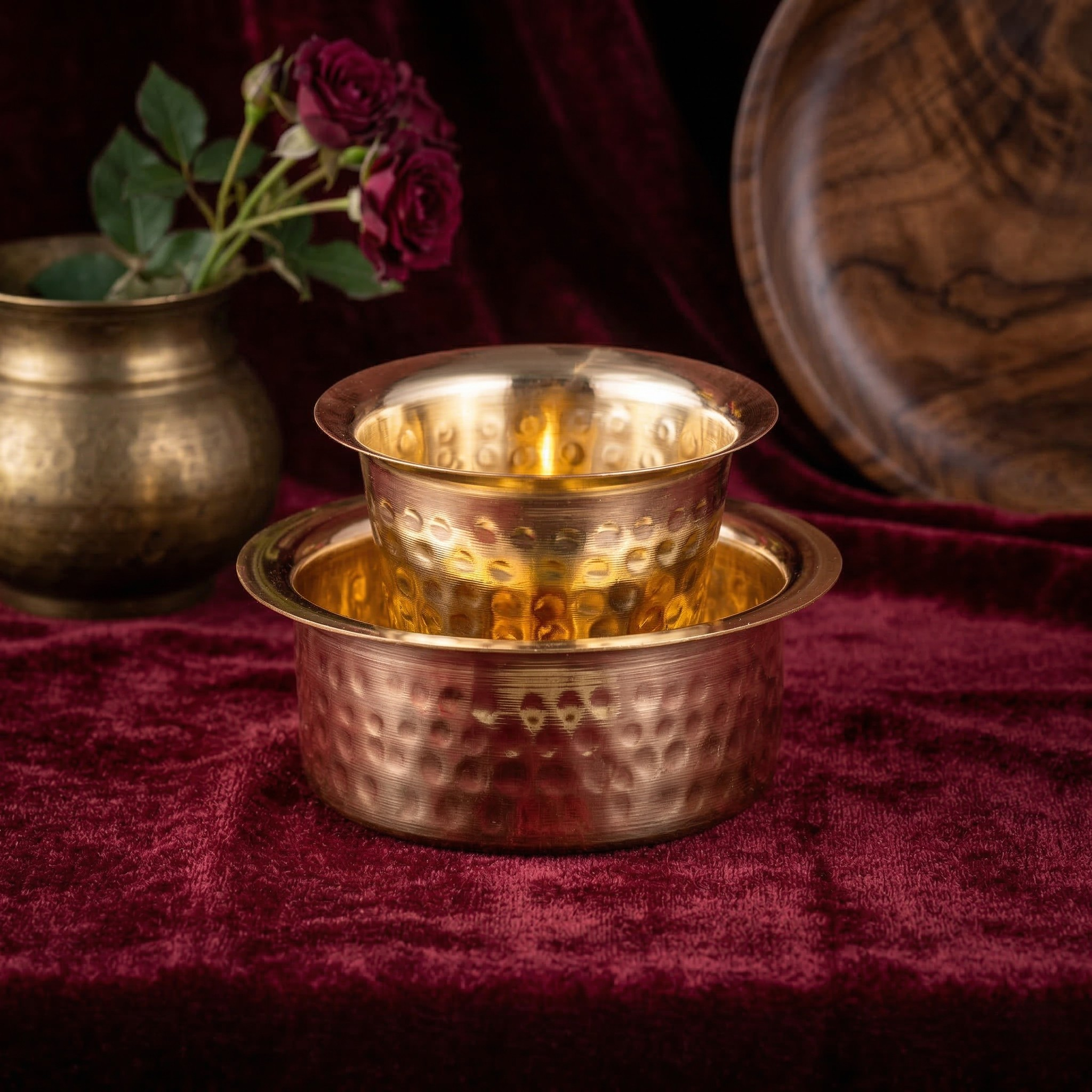
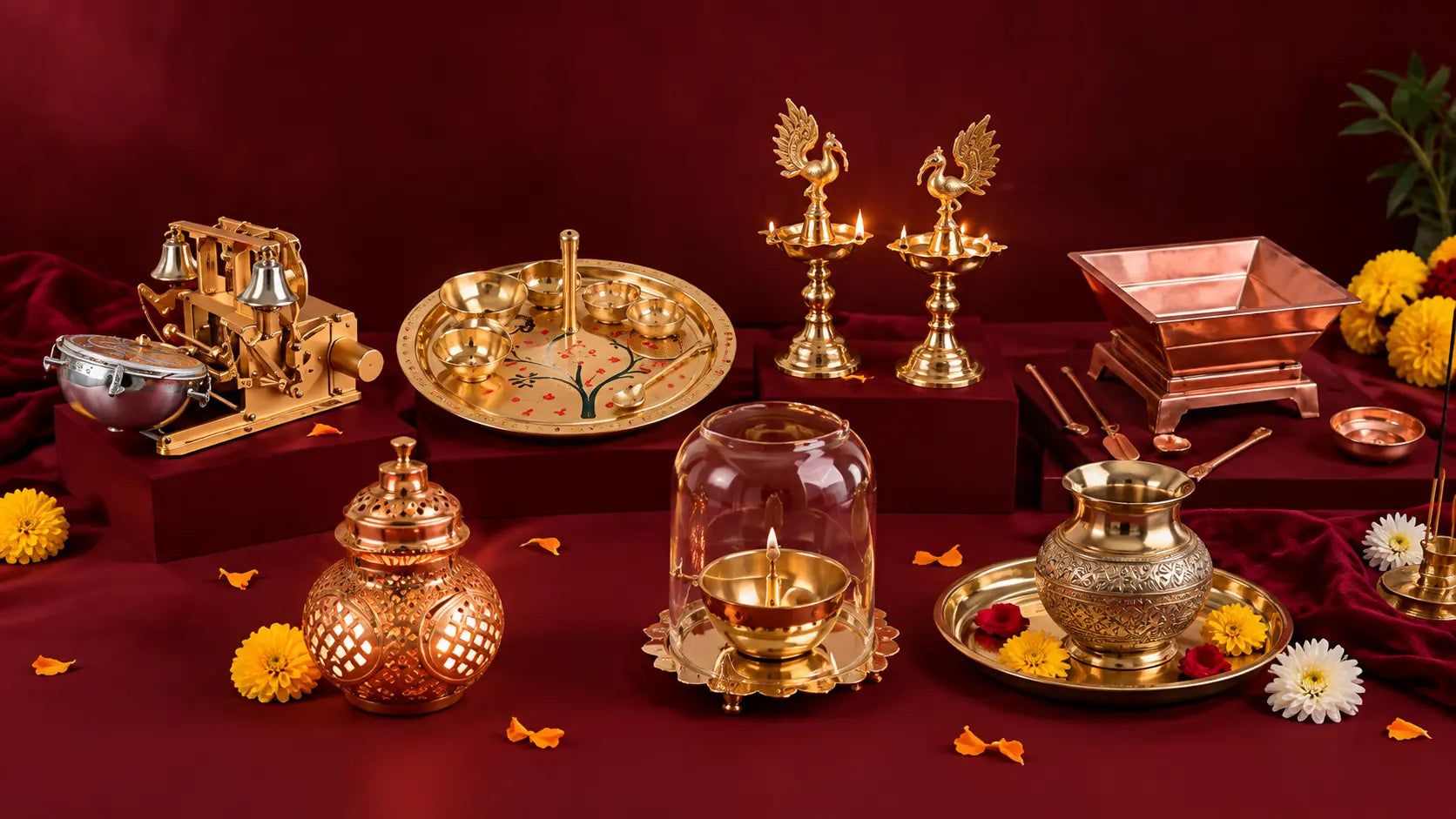
A ready-made brass and copper pooja set can save you the trouble of buying each piece separately, especially if you're setting up a temple for the first time and don't want to guess at proportions and finishes.
Setting Up the Physical Structure
Once you know your location and have your items ready, the physical setup follows a fairly standard pattern across most Indian traditions, with regional variations.
-
Raise your temple above floor level. A knee-high platform or a proper temple unit keeps idols out of dust and gives the space a sense of importance. Sitting on the floor to pray is fine, but the deities themselves are traditionally kept elevated.
-
Face your idols toward the entrance you'll be standing in, so when you sit or stand for pooja, you're naturally facing east or north.
-
Keep a small gap between individual idols rather than clustering them tightly. This isn't strictly ritual, it's just practical for cleaning and for placing offerings in front of each one.
-
Install a small shelf above or beside the main platform for books, matchboxes, extra wicks, and camphor, so you're not walking away mid-ritual to fetch something.
-
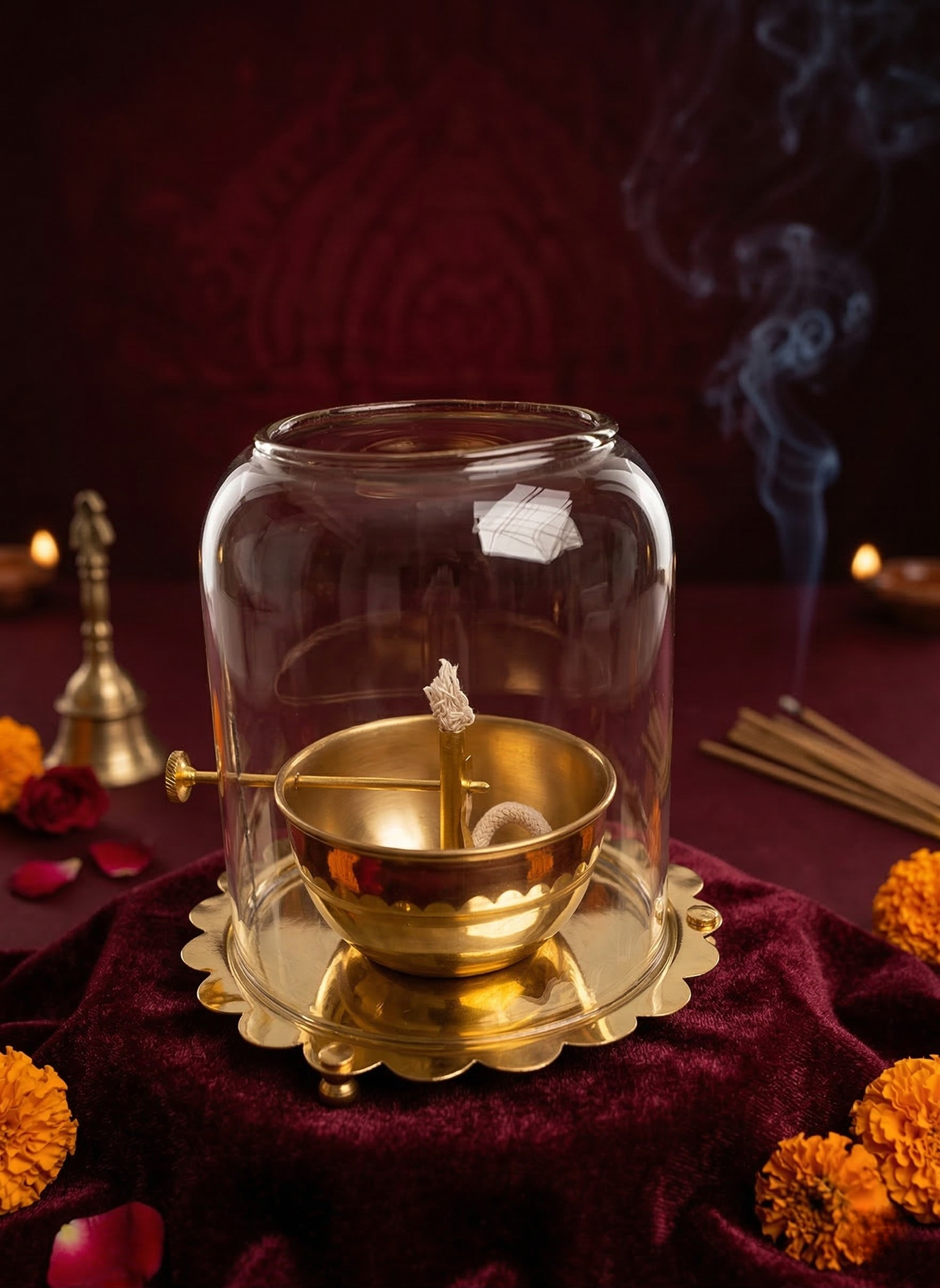
Add proper lighting. A dim yellow bulb or a small chandelier fixture works better than harsh white LED for a temple room. Some families keep an oil lamp burning continuously (akhand jyot), which needs a stable, wind-free spot and a proper glass-covered lamp so it doesn't get blown out or spill.
If continuous lamp lighting is something you want to maintain but worry about safety, glass-enclosed versions exist specifically for this, and they're worth the small extra cost over an open-flame diya, particularly in homes with kids or pets. Something like an akhand jyot diya with a glass cover handles this concern reasonably well without changing the ritual itself.
Establishing a Daily Pooja Routine
The setup is only half the work. The routine is what actually makes it a "daily" pooja rather than a decorative corner.
Most traditional routines follow this rough structure:
-
Bathe and wear clean clothes before entering the temple space, even if it's brief.
-
Light the diya and incense first, then ring the bell to mark the start.
-
Offer water, flowers, and kumkum/sandalwood to the idols, one at a time if you have multiple deities.
-
Recite your chosen mantras or aarti, whether that's a five-minute Gayatri mantra or a longer aarti with multiple verses.
-
Offer naivedyam if you're preparing food that day, even something as simple as a piece of fruit or a small sweet.
-
Close with a moment of silence or meditation, then extinguish anything that needs to be put out (camphor, incense) while letting the main lamp continue if it's meant to burn.
Morning and evening are the two standard windows, roughly sunrise and sunset, though plenty of working households now do a shorter morning pooja and a slightly longer one on weekends or during festivals.
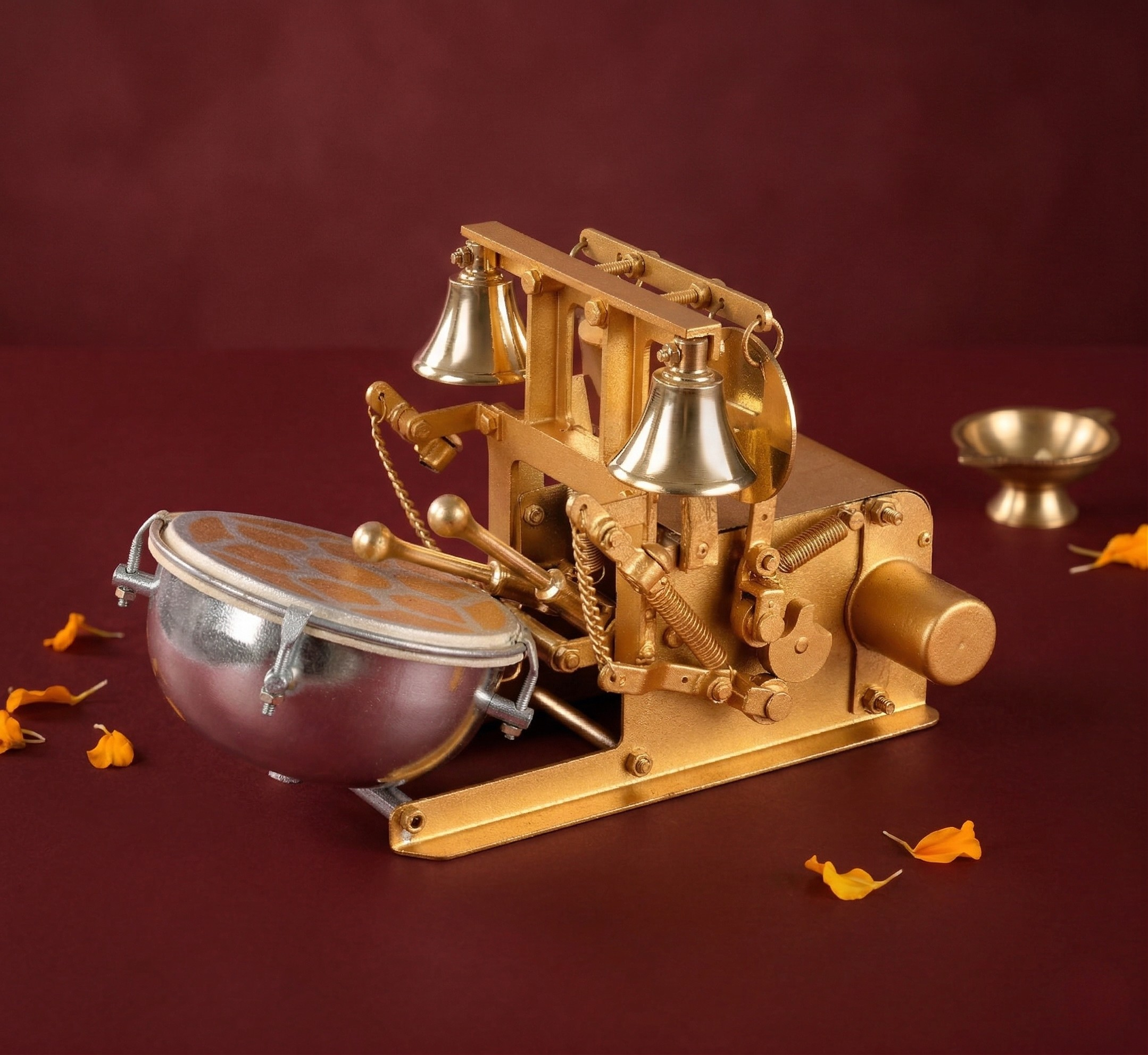
For people juggling early office hours or households where elders can't stand through a long aarti anymore, an automatic aarti machine for home is worth considering. It rotates and rings in a fixed rhythm, so the ritual still happens properly even on a rushed morning, without anyone needing to hold a lamp through the full cycle by hand.
A common mistake I see, especially with people newly setting up a home temple, is trying to replicate an elaborate temple-style ritual every single day and then abandoning it within two weeks because it's exhausting. Start with a five to ten minute routine you can genuinely sustain, then expand it gradually as it becomes a habit.
Maintaining Your Home Temple
Upkeep is where most home temples either stay meaningful or slowly turn into dusty shelves.
-
Clean idols weekly with a soft cloth, and polish brass or copper items every month or two to prevent tarnishing. A simple mix of tamarind paste or a store-bought metal cleaner works fine for this.
-
Change flowers daily or every other day. Wilted flowers sitting for a week defeat the purpose of a fresh daily offering.
-
Refill oil or ghee for continuous lamps before they run dry rather than after, since an accidentally extinguished akhand jyot is considered inauspicious in many households.
-
Wash the thali and vessels separately from regular kitchen dishes, using plain water and mild soap, never harsh detergents that can dull brass or copper over time.
-
Dust the entire temple area at least twice a week, including behind idols and under the platform, since incense ash settles everywhere.
Budgeting for a Home Temple Setup
Costs vary wildly depending on scale, but here's a rough sense of what people typically spend:
-
A basic setup with a wooden shelf, simple idols, and essential brass items can run between ₹3,000 and ₹8,000.
-
A mid-range setup with a proper temple unit, quality brass or copper pooja items, and a dedicated lighting fixture usually falls between ₹15,000 and ₹40,000.
-
Elaborate temple rooms with carved wooden units, marble idols, and custom lighting can go well beyond ₹1 lakh, though this is entirely optional and has no bearing on how meaningful the daily practice is.
If you're building this gradually, prioritize the idols, the lamp, and a water vessel first. Everything else, decorative bells, extra thalis, ornamental stands, can be added as budget allows.
Final Thoughts
A home temple works best when it's built around your actual daily habits, not an idealized version of what a temple room should look like. Pick a clean, quiet spot, get the essential brass and copper items sorted, and commit to a short daily routine you can actually keep up. The rest, the decoration, the scale, the extra rituals, will follow naturally once the habit is in place.
If you're starting from scratch, browsing a dedicated brass collection can help you compare finishes and pick pieces that match the rest of your home temple setup, from lamps to plates to bells.
For anyone looking to buy quality pooja essentials and traditional metal items for their home temple, Raj Gharana Metals offers a well-curated range built for exactly this kind of daily use.