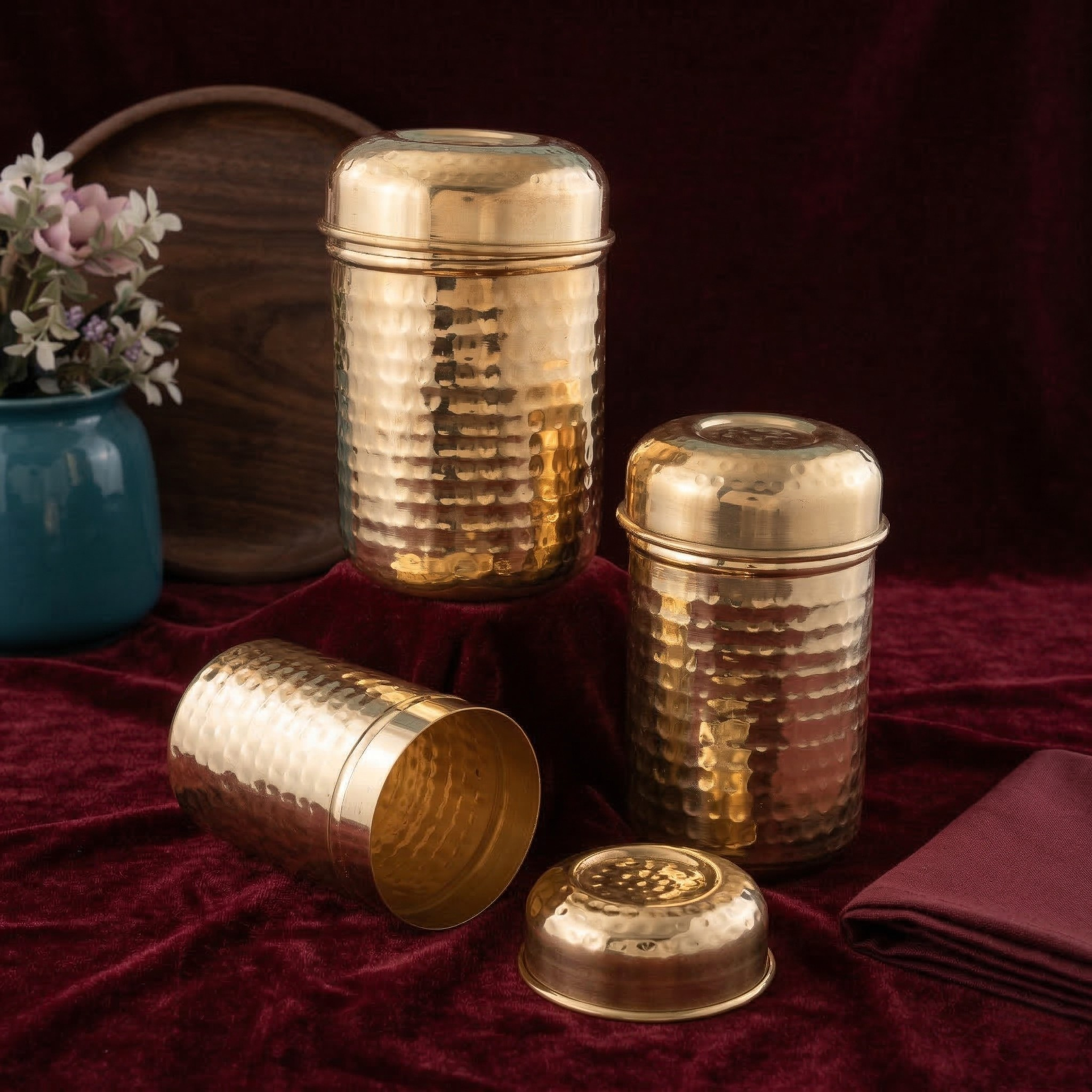
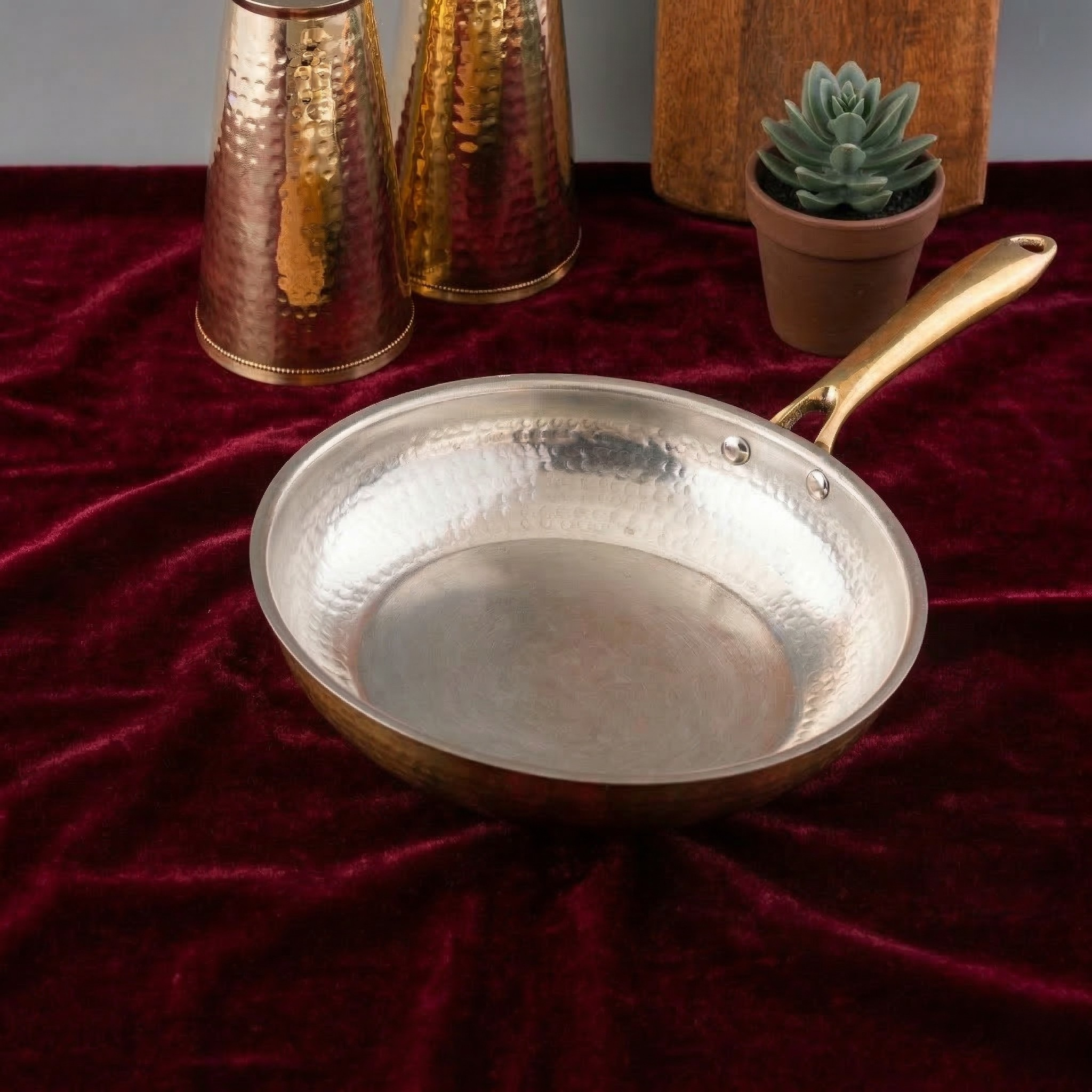
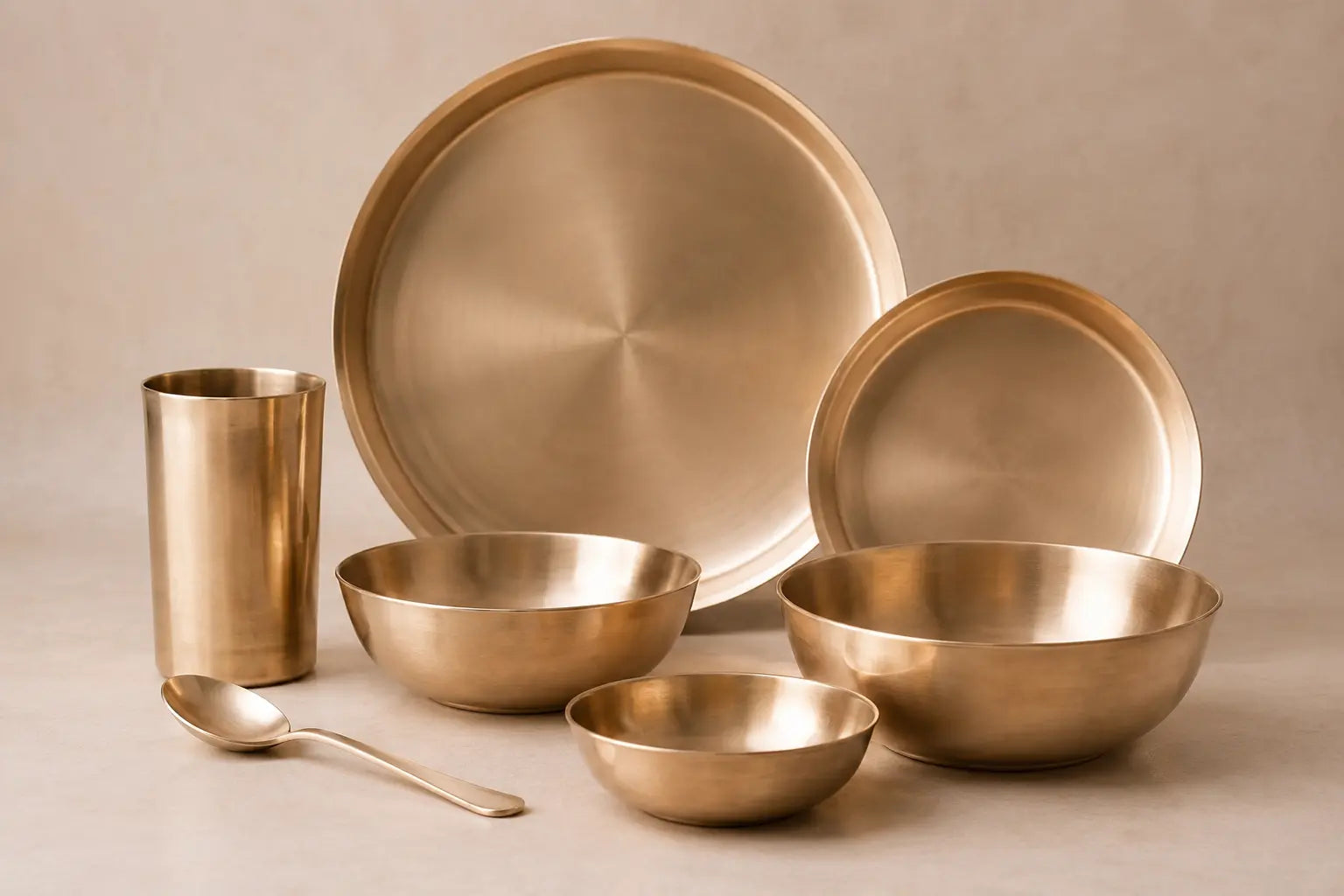
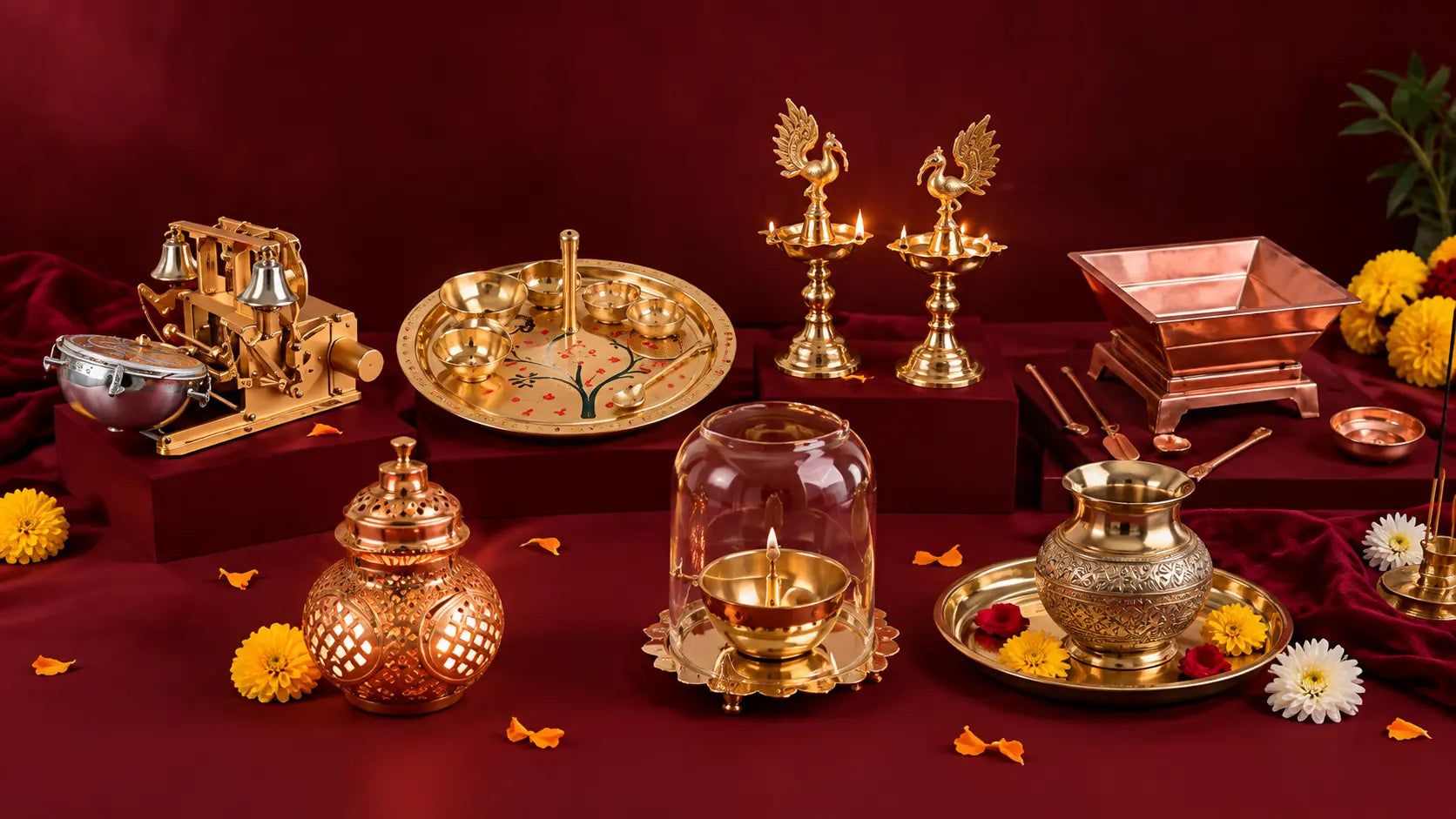
Yes, Kansa utensils are completely safe for daily use, provided they are made with the correct composition of 78% copper and 22% tin and sourced from a certified manufacturer. This ancient alloy, known as bell metal or bronze, has been used in Indian households for over 5,000 years for cooking, eating, and drinking. It contains no synthetic coatings, no harmful chemicals, and when maintained properly, it is one of the safest and most health-supportive materials you can bring into your kitchen.
This guide covers everything you need to know what Kansa actually is, its health benefits, which foods are safe to use in it, how it compares to modern cookware materials, how to identify a genuine piece, and how to care for it.
What Exactly Is Kansa and What Makes It Different?
Kansa is an alloy of copper and tin, traditionally crafted in the ratio of 78% copper to 22% tin. This specific ratio is not arbitrary. It has been refined over thousands of years and is recognized in Ayurveda as the ideal metallurgical balance for both safety and health.
The term "Kansa" is used most widely in Hindi-speaking regions of India. Other regional names include Kansya, Vengalam (Tamil), Kanchu (Telugu and Kannada), and Kanh (Assam). Across all these traditions, the material and its purpose remain the same a metal trusted for daily eating and cooking.
Kansa is different from brass, which is an alloy of copper and zinc. It is also different from pure copper. The addition of tin to copper in Kansa makes it significantly less reactive than pure copper, which means it handles a wider range of foods without the risk of strong metallic reactions.
Its use can be traced back to the Bronze Age, around 3300 BCE, making it one of the earliest known metal alloys used by ancient Indian societies.
Is It Actually Safe to Eat and Cook in Kansa Every Day?
This is the question most people search for, and the answer is straightforward.
Pure Kansa at the correct 78:22 copper-to-tin ratio is safe for daily use. The tin content acts as a buffer, making the alloy far more stable than pure copper when it comes into contact with food. Modern metal manufacturers who follow proper production standards ensure their Kansa is completely free from lead, chromium, and other harmful substances.
When buying Kansa utensils, look for two certifications in particular. NABL (National Accreditation Board for Testing and Calibration Laboratories) certification confirms that the metal has been lab-tested for its composition. RoHS compliance confirms it is free from restricted hazardous substances. These two markers are your best assurance of quality when shopping online or offline.
One group that should take extra care is people with Wilson's disease, a rare condition that affects how the body processes copper. Anyone with known copper sensitivity or a related metabolic disorder should speak with their doctor before using any copper-containing cookware, including Kansa.
For everyone else, certified pure Kansa used correctly is a safe and beneficial choice for the dinner table.
What Happens to Your Body When You Use Kansa Utensils Daily?
This is where Kansa truly stands apart from modern alternatives. The health benefits here are backed by both Ayurvedic tradition and independent research.
It Supports Better Digestion
Kansa is alkaline in nature. When food is served or eaten from a Kansa vessel, this alkalinity helps neutralize excess acidity in the food. Ayurveda has long connected the use of Kansa tableware with improved digestion, reduced bloating, and relief from indigestion. The metal is believed to support the digestive fire, called agni, which governs how well the body breaks down and absorbs nutrients.
It Has Natural Antimicrobial Properties
Copper is well-documented for its ability to destroy harmful bacteria and pathogens. Because Kansa contains a high percentage of copper, these properties carry through to the alloy. Studies have shown that copper surfaces can eliminate bacteria within a matter of hours of contact. This makes Kansa particularly well-suited for serving water, milk, and other beverages.
It Retains More Nutrients in Your Food
Medical research suggests that cooking in quality bronze utensils can preserve approximately 97% of food's micronutrients. Compare this to aluminium or PTFE non-stick cookware, which retain significantly less. Kansa's excellent thermal conductivity also means heat is distributed evenly, reducing hot spots that can destroy heat-sensitive vitamins and minerals.
It Balances the Three Doshas
In Ayurvedic medicine, health is understood through three functional energies Vata, Pitta, and Kapha. Kansa is considered particularly effective at pacifying excess Pitta (the fire element), while also grounding Vata and Kapha. It is one of the few metals classified as sattvic in Ayurvedic texts, meaning it promotes purity, mental clarity, and overall balance.
It Provides a Natural Immunity Boost
Copper is an essential trace mineral that supports the production of white blood cells, helps maintain cardiovascular health, and plays a role in collagen synthesis. The trace amounts that naturally leach from Kansa into food or water during use are bioavailable and easy for the body to regulate. Unlike synthetic supplements, this is a natural, low-level mineral intake your body can handle with ease.
It Aids Detoxification
Copper and tin together are believed to help the body flush out toxins and impurities. Traditional Ayurvedic practice recommends storing water in a Kansa vessel for at least 8 hours and drinking it first thing in the morning. This practice is said to support liver health and natural detoxification pathways over time.
No Toxic Coatings, No Chemical Risk
Unlike non-stick pans that rely on PTFE or PFOA coatings, Kansa is a pure metal alloy. There is no coating to chip, degrade, or leach into food at high temperatures. This alone makes it a significantly safer long-term choice for daily cooking and eating, particularly for families with young children.
Which Foods Are Safe in Kansa - and What Should You Avoid?
Knowing what to cook and serve in Kansa makes a meaningful difference in both safety and longevity of the utensil.
Foods that work perfectly well in Kansa every day:
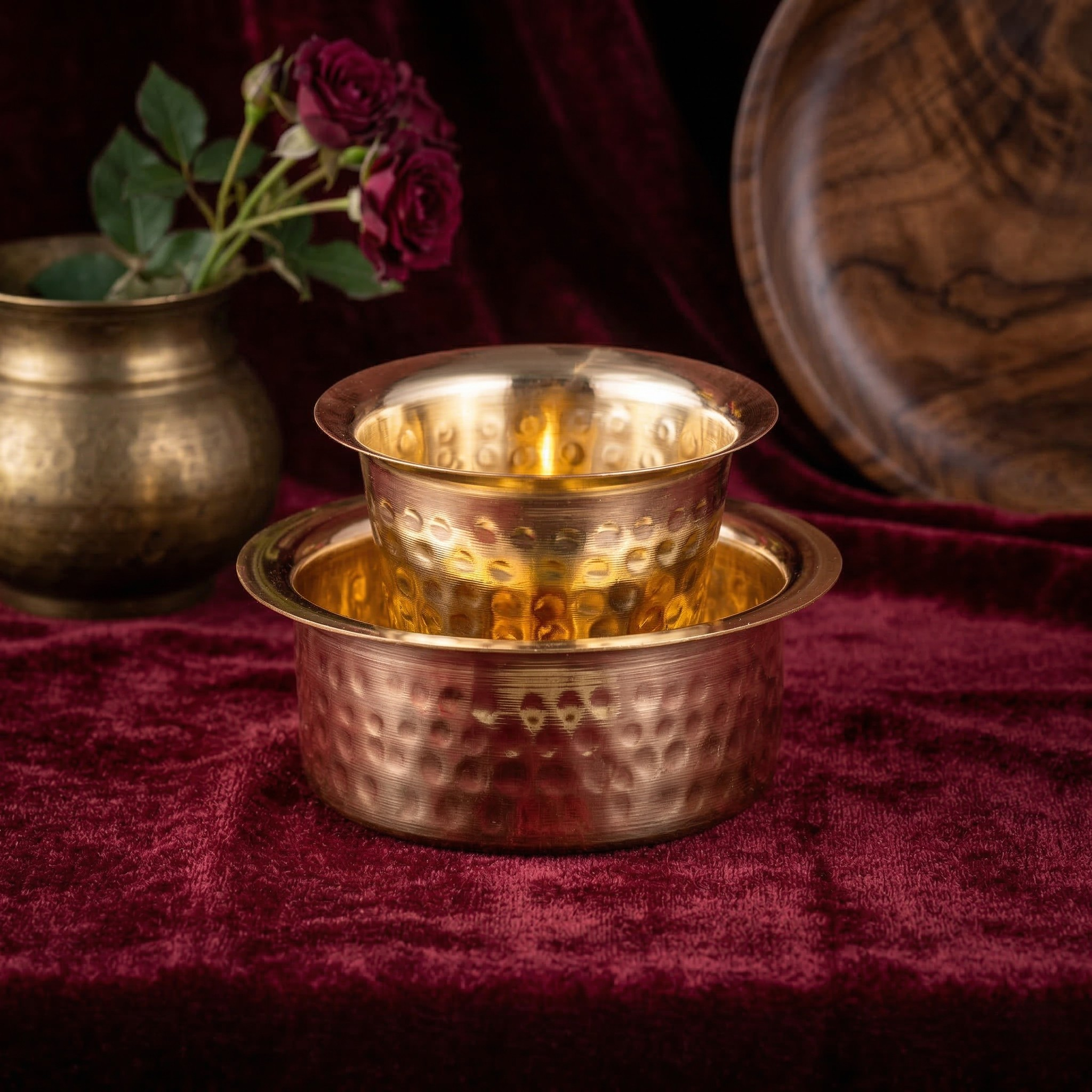
Dal, rice, ghee, sabzi, rotis, milk, water, most curries, lentils, and general Indian meals are all well-suited for Kansa cookware and tableware. Traditionally, Kansa glasses have been used to give milk to children, and Kansa tumblers for daily water drinking.
Where to be careful:
Highly acidic foods stored for extended periods can cause the metal to darken and may affect taste. Pickles, tamarind-heavy chutneys, and very sour curd left in Kansa for hours are best avoided. That said, when Kansa is made at the correct 78:22 ratio, it is far more tolerant of mild acidity than pure copper. Cooking sambar or adding lemon to rice during preparation is generally safe. The key is to transfer the food to another vessel after cooking rather than leaving it to sit in the Kansa pot overnight.
Kansa should not be used in the microwave. No metal is microwave-safe, and Kansa is no exception.
Kansa vs Non-Stick, Stainless Steel, and Aluminium
It helps to see how Kansa actually measures up against the cookware most households use today.
|
Material
|
Nutrient Retention
|
Chemical Safety
|
Antimicrobial
|
Longevity
|
|
Kansa (Bronze)
|
~97%
|
No coatings or chemicals
|
Yes (natural)
|
Generations
|
|
Stainless Steel
|
Moderate
|
Safe, non-reactive
|
No
|
Many years
|
|
Aluminium
|
~13%
|
Concerns at high heat
|
No
|
Limited
|
|
Non-Stick (PTFE)
|
Moderate
|
Coating risk at high temp
|
No
|
3–5 years
|
The numbers around non-stick cookware are worth noting. Concerns around PTFE and PFOA chemical leaching from non-stick surfaces have been growing steadily, and these concerns are now influencing buying decisions at a market level.
India's cookware market was valued at USD 2.7 billion in 2025 and is projected to reach USD 5.7 billion by 2034, with the revival of traditional materials like bronze, cast iron, and clay emerging as a defined consumer trend (Source: IMARC Group, 2025). Simultaneously, health concerns linked to PFAS and PFOA chemicals are steering households toward non-toxic alternatives including traditional metals (Source: Mordor Intelligence, 2026).

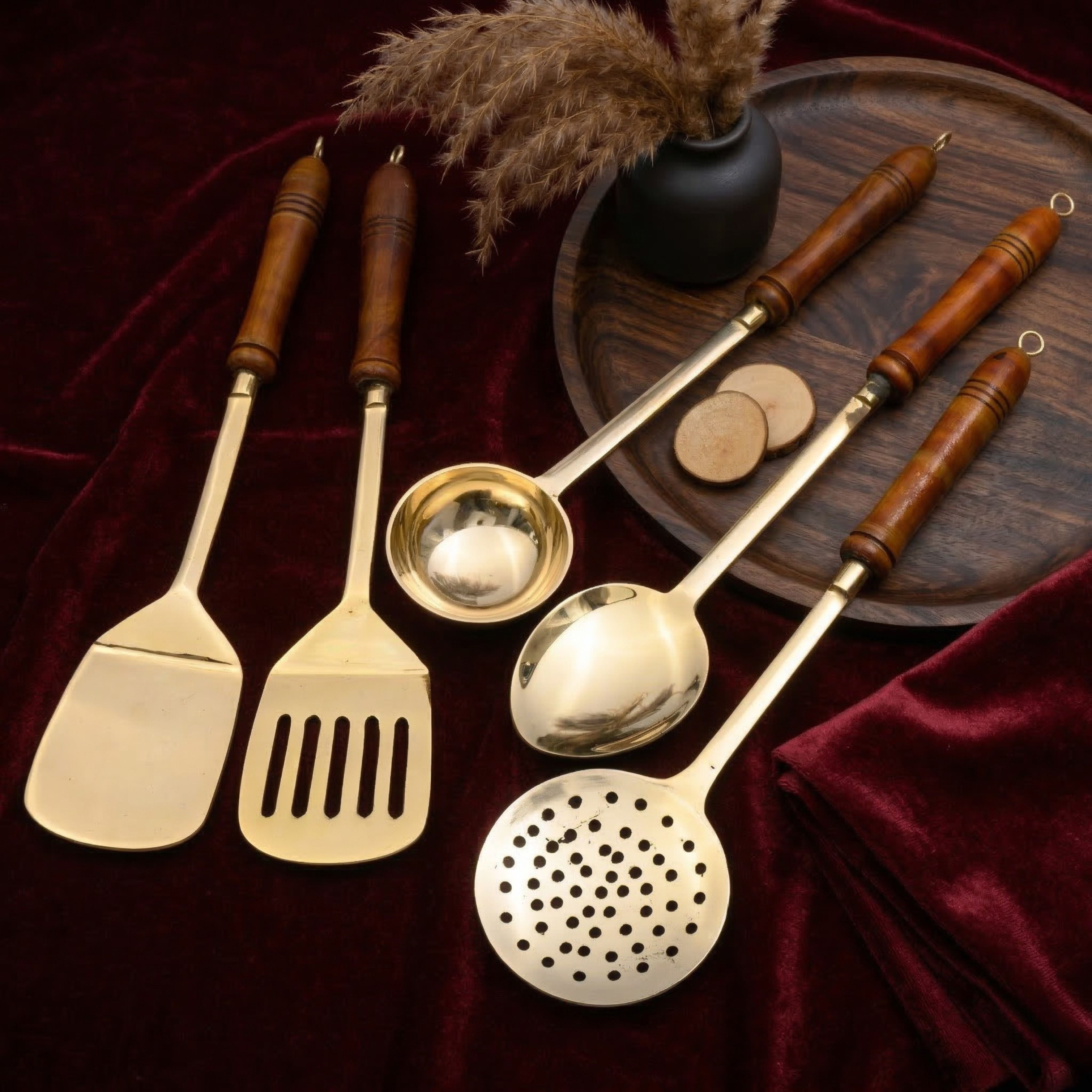
If you are exploring brass utensils for cooking alongside Kansa, it is useful to know that brass (copper + zinc) is considered better suited for cooking and storage due to its strength, while Kansa is traditionally preferred for eating and serving due to its Ayurvedic properties.
How to Know If Your Kansa Utensil Is Genuine
Not every product sold as "Kansa" is actually pure Kansa. Imitation alloys with incorrect compositions can behave very differently and may not carry the same health properties or safety profile.
Here are a few ways to verify authenticity before you buy:
The Magnet Test: Pure Kansa is non-magnetic. Hold a magnet to the utensil if it does not stick or slides right off, that is a positive indicator. If it attracts the magnet, the metal likely contains iron or other additives.
Ask for Composition Documentation: A reputable seller should be able to provide lab test reports confirming the copper-to-tin ratio. The correct ratio is 78% copper and 22% tin. Any significant deviation from this should be a concern.
Look for NABL Certification: Manufacturers who test their products through NABL-accredited labs back their quality claims with documentation. This is especially important when buying online.
Color and Feel: Genuine Kansa has a warm golden-brown tone. It feels dense and solid. Very lightweight or brightly colored pieces may be worth examining more closely.
The safest approach is always to buy from a manufacturer who is transparent about their production process and raw materials.
Daily Care Tips That Keep Kansa Safe and Long-Lasting
Kansa is a durable material that lasts for generations when treated with basic care. Here is what daily and weekly maintenance looks like in practice.
Cleaning after each use: Wash with warm water and a soft sponge. A natural cleaning paste of lemon juice and salt works exceptionally well for removing tarnish and restoring shine. Tamarind paste dissolved in warm water is another traditional method that cleans and brightens simultaneously.
Dry immediately: After washing, dry the utensil with a soft cloth right away. Leaving Kansa wet or soaking it in water for long periods can cause oxidation and surface discoloration.
Avoid metal scrubbers: Steel wool or abrasive pads will scratch the surface over time. Always use a soft sponge or cloth.
Skip the dishwasher for daily care: Dishwashers can be too harsh and may strip the natural finish from Kansa. Hand washing is recommended for extending the life and appearance of the utensil.
Store separately: Keep Kansa away from other metals in your kitchen to prevent scratching.
The natural patina is not a problem: Over time, Kansa develops a darker hue. This is called a natural patina and it is completely safe. It does not indicate damage or contamination. If you prefer the original shine, an occasional rub with the lemon-salt mixture will restore it.
Who Should Use Kansa with Extra Care?
For most people, Kansa is a safe and beneficial choice for daily meals. However, there are a few situations where a little extra thought helps.
People with Wilson's disease should speak with their doctor before using Kansa or any copper-containing cookware. Wilson's disease affects how the body processes and excretes copper, and even trace dietary copper needs to be monitored carefully.
Pregnant women can generally use Kansa in moderate amounts. That said, as with any dietary change during pregnancy, it is sensible to check with a healthcare provider.
Do not store food overnight in Kansa. Even with safe foods, leaving meals sitting in the vessel for more than a few hours is not ideal. Transfer cooked food to another container once the meal is done.
For children, Kansa has historically been used and recommended in Ayurveda. Giving milk in a Kansa glass is a traditional practice across many Indian households.
Why Indian Households Are Coming Back to Traditional Metals
There is something meaningful happening in Indian kitchens right now. After decades of non-stick and aluminium cookware becoming the default, families are asking questions about what their daily utensils are actually made of.
Tamil Nadu-based retailer The Village Fair recorded a 3x rise in online orders for bronze and brass utensils in 2023 alone. This is not a niche trend it reflects a broader shift in how people think about health, sustainability, and what they put on their table every day.
Non-stick cookware concerns, growing awareness of chemical-free alternatives, and a renewed interest in Ayurvedic living are all contributing factors. Kansa sits at the centre of this movement not as a trend, but as a return to something that has always made practical sense.
If you are considering copper drinkware and kitchen products alongside your Kansa pieces, both metals complement each other well. Copper is ideal for water storage and drinking, while Kansa is particularly valued for eating and serving meals.
FAQs
1. Can Kansa utensils be used every day?
Yes, genuine Kansa utensils made with the traditional 78% copper and 22% tin composition are safe for daily use. They have been used in Indian households for centuries for eating, serving, and drinking. When sourced from a trusted manufacturer and cared for properly, Kansa is a durable and reliable choice for everyday meals.
2. Is it safe to cook food in Kansa utensils?
Kansa is suitable for cooking a wide range of everyday foods, including dal, rice, vegetables, and curries. While it can handle mildly acidic ingredients during cooking, it is best not to store highly acidic foods in Kansa for long periods. Transfer cooked food to another container after the meal to maintain both the utensil and food quality.
3. What foods should not be stored in Kansa utensils?
Highly acidic foods such as pickles, tamarind-based dishes, vinegar-rich recipes, and sour curd should not be stored in Kansa for extended periods. Long contact with acidic foods may cause discoloration and alter the taste. Freshly cooked meals can be served in Kansa, but overnight storage is not recommended.
4. What are the health benefits of using Kansa utensils?
According to Ayurvedic traditions, Kansa supports healthy digestion, helps maintain the body's natural balance, and is valued for its alkalizing properties. Since it contains a high percentage of copper, it also offers natural antimicrobial benefits. Using Kansa as part of a balanced lifestyle may contribute to healthier eating habits.
5. How is Kansa different from copper utensils?
Kansa is an alloy of approximately 78% copper and 22% tin, while copper utensils are made primarily from pure copper. The addition of tin makes Kansa less reactive with food, allowing it to be used for a wider variety of meals. Both metals have their own benefits, but Kansa is traditionally preferred for eating and serving.
6. How can I identify genuine Kansa utensils?
Authentic Kansa utensils are made with the correct 78:22 copper-to-tin ratio and should be purchased from a trusted manufacturer. Look for lab-tested composition reports, NABL certification where available, and transparency about the manufacturing process. Genuine Kansa is non-magnetic, has a solid feel, and develops a natural patina over time.
7. Can Kansa utensils be used in the microwave or dishwasher?
No. Like all metal utensils, Kansa should never be used in a microwave. Although some people place them in a dishwasher, hand washing with warm water and a soft sponge is recommended to preserve the finish and extend the utensil's lifespan.
8. Do Kansa utensils require special maintenance?
Kansa utensils are easy to maintain with regular cleaning. Wash them with mild soap or a natural mixture of lemon and salt, dry them immediately after washing, and avoid abrasive scrubbers. Over time, a natural patina may develop, which is normal and does not affect the utensil's safety or performance.
9. Are Kansa utensils better than stainless steel?
Both materials are safe for daily use, but they serve different purposes. Stainless steel is durable and non-reactive, while Kansa is valued for its traditional use, natural antimicrobial properties, and Ayurvedic significance. The right choice depends on your cooking habits and personal preferences.
10. Who should avoid using Kansa utensils?
Most people can safely use genuine Kansa utensils every day. However, individuals with Wilson's disease or other conditions affecting copper metabolism should consult a healthcare professional before using copper-containing cookware. If you have any medical concerns, it is always best to seek personalized medical advice.
Final Words!
Kansa utensils are safe for daily use. That is the short answer, and it has not changed in thousands of years.
What matters is quality. Pure Kansa at the correct 78:22 composition, manufactured by a maker who is transparent about their process and materials, is one of the safest and most health-supportive choices you can make for your kitchen.
The care routine is simple. The benefits are real. And unlike modern alternatives that degrade within a few years, a good Kansa thali or tumbler outlasts generations.
At Raj Gharana Metals, every piece in our Kansa (Bronze) collection is crafted with respect for the traditional 78:22 composition, made to be used every single day the way it was always meant to be.
Looking for original Kansa Utensils?
Discover handcrafted Kansa utensils made using the traditional 78% copper and 22% tin composition. Explore authentic thalis, bowls, glasses, and cookware designed for safe daily use, lasting durability, and timeless Indian craftsmanship.
View Our Kansa Collection Now