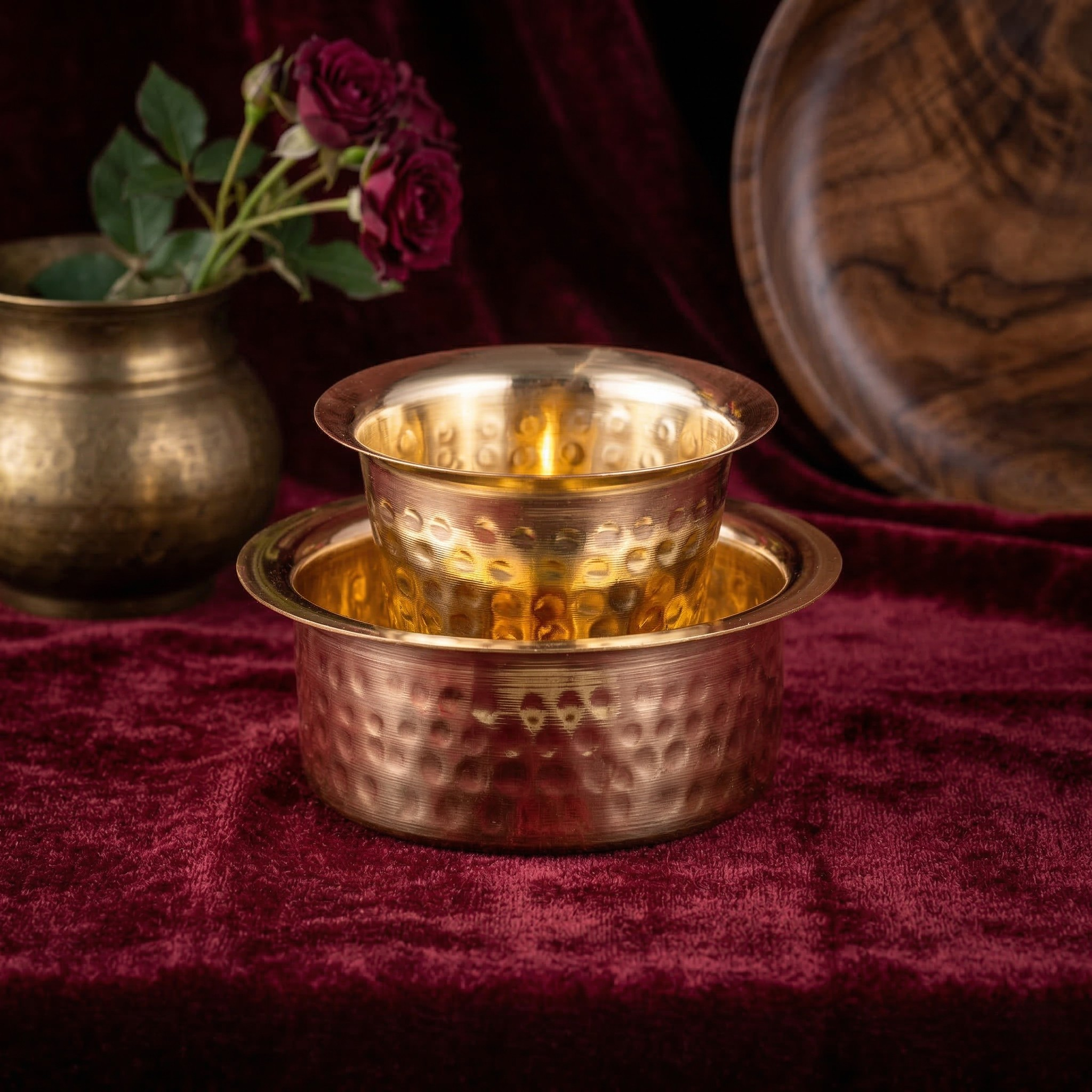
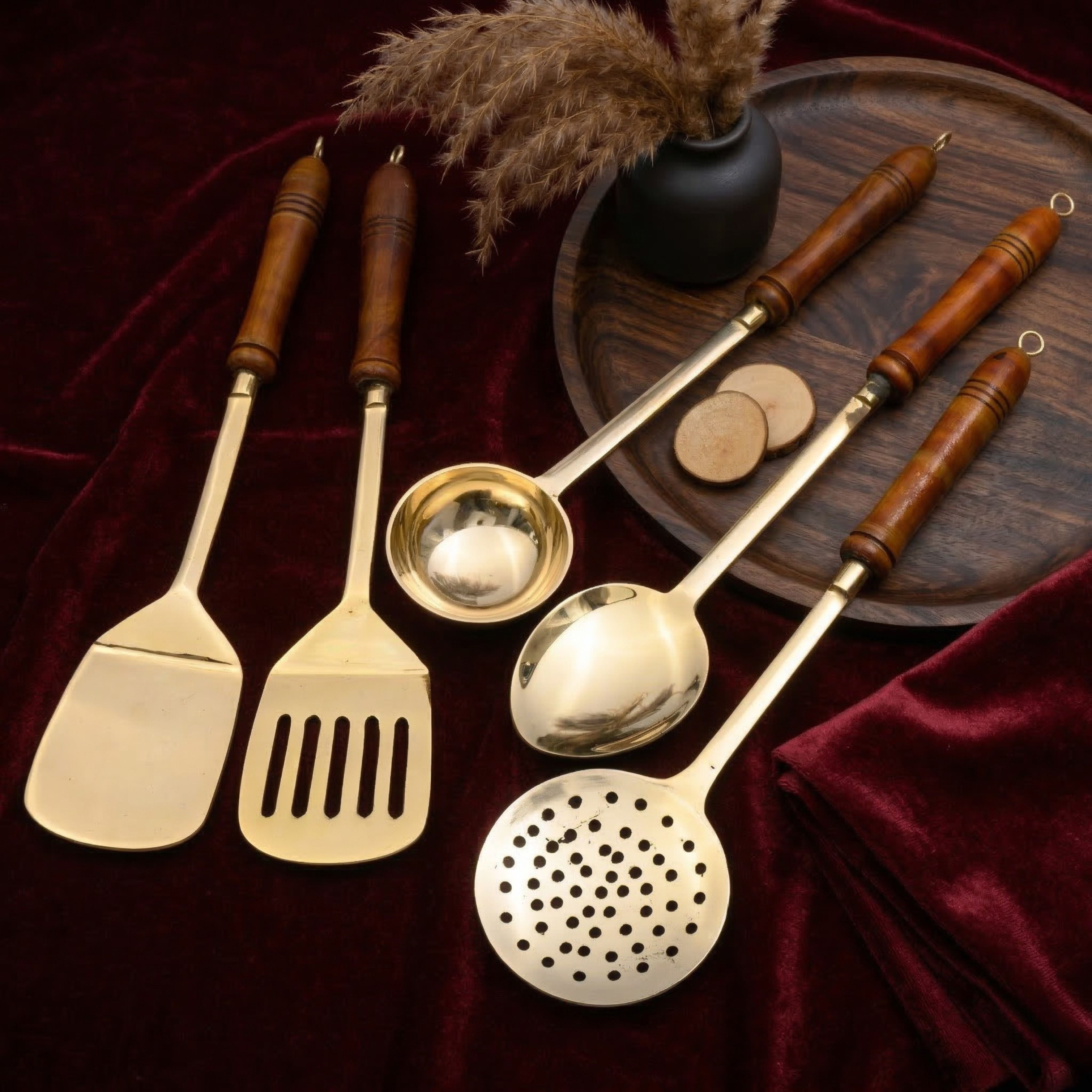
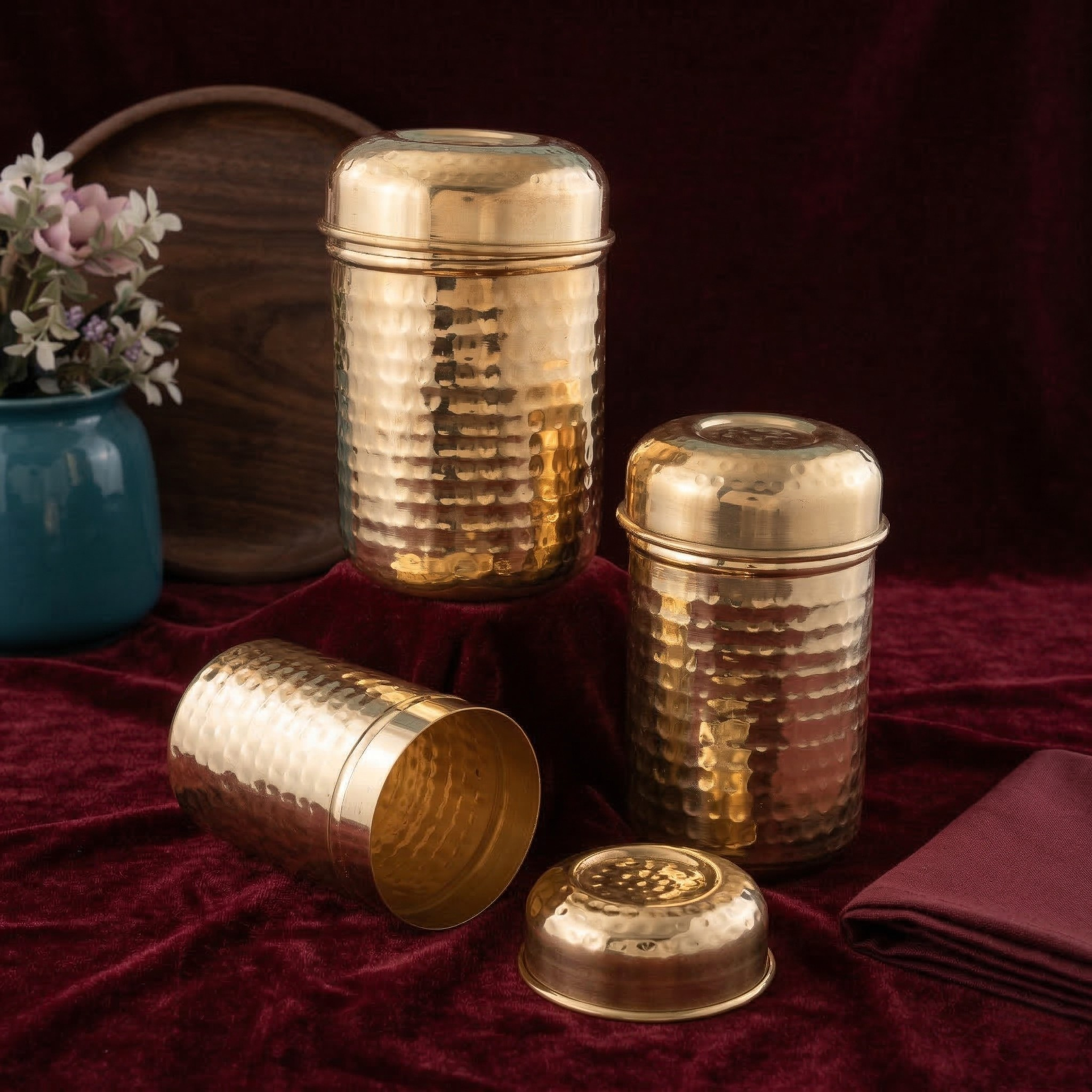
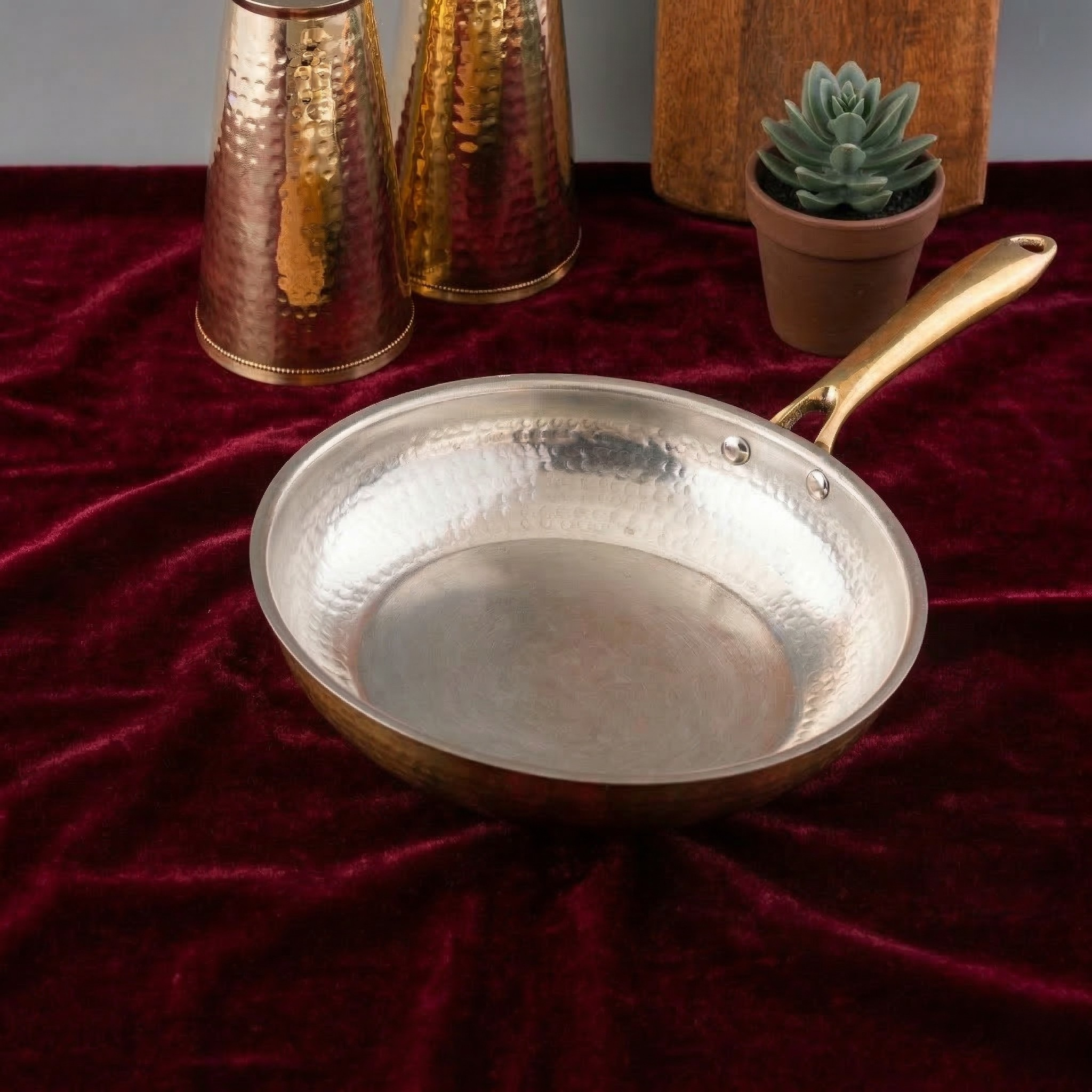
If you own bronze or Kansa utensils, here's the short version: wash them by hand with mild soap and warm water, dry them completely right after washing, and use a natural acidic paste like tamarind or lemon whenever tarnish builds up. Skip the dishwasher. Skip the steel wool. That's really the whole routine, and most of the damage people see over the years comes from skipping just one of those three steps.
Bronze behaves differently than stainless steel or nonstick cookware because it's a copper-tin alloy, and copper reacts to moisture and acidity in ways steel simply doesn't. That reaction isn't a flaw. It's chemistry, and once you understand it, caring for bronze stops feeling like a chore and starts feeling like routine kitchen maintenance, not unlike seasoning a cast-iron pan.
This guide walks through daily cleaning, tarnish removal, storage, seasoning, patina, and the mistakes that quietly wear down bronze pieces over time. By the end, you'll know exactly what to do with a tarnished Kansa bowl sitting in your cabinet right now.
Why Bronze (Kansa) Needs Different Care Than Other Metals
Traditional Kansa is typically made from around 78% copper and 22% tin. That copper content is the whole story here. Copper oxidizes when it comes into contact with air and moisture, which is why a bronze glass left wet on the counter overnight will look duller by morning than one that was dried immediately.
There's an important distinction worth making early: tarnish and corrosion are not the same thing. Tarnish is a thin surface layer of discoloration, and it's cosmetic. It looks unpleasant, but it doesn't compromise the metal underneath, and it can be cleaned off in a few minutes with things you already have in your kitchen. Corrosion is different. That's what happens when tarnish is left untreated for long stretches, combined with prolonged moisture exposure or exposure to harsh chemicals. Corrosion can pit the surface and, over years, actually weaken the piece. The good news is that corrosion is almost entirely preventable with basic habits, which is really what this whole guide comes down to.
If you're shopping for pieces or want to see how genuine Kansa is made and finished, the Kansa (Bronze) collection is a good place to see the range of finishes, from mirror-polished to matte, and how each one ages slightly differently.
Bronze vs Brass vs Copper: A Quick Clarification
People mix these up constantly, and it matters for care because each one reacts a little differently.
-
Bronze (Kansa) is copper and tin. It tends to develop a grayish or dull patina rather than the greenish patina people associate with outdoor bronze statues, since kitchen Kansa is handled and washed regularly.
-
Brass is copper and zinc, usually a brighter yellow-gold tone, and it tarnishes faster in humid conditions than bronze does.
-
Copper is the pure metal, softer, and it develops that familiar reddish tarnish and eventually a blue-green patina if left untouched.
If you've ever wondered whether your dinnerware set should be treated like steel, it shouldn't. For a fuller breakdown of how bronze compares to stainless steel in terms of durability, weight, and everyday practicality, the bronze utensils vs stainless steel comparison covers that in more depth.
Daily Cleaning Routine for Bronze Utensils
This is the part people get wrong most often, usually by treating bronze exactly like they'd treat a steel pan.
What to do after every use:
-
Wash with a mild dish soap and warm water, using a soft sponge or cloth.
-
Avoid abrasive scrubbers, steel wool, or anything with a rough texture. These leave micro-scratches that trap moisture and speed up tarnishing.
-
Rinse thoroughly so no soap residue is left behind.
-
Dry immediately and completely with a soft cotton cloth. Don't let pieces air-dry on a rack.
That last point is worth repeating because it's the single habit that prevents most tarnish. Water left sitting on bronze, even a small film of it, starts the oxidation process almost right away. A piece that's toweled dry the moment it's rinsed will hold its shine for far longer than one left to drip-dry, even if both are washed identically otherwise.
Why the dishwasher is a bad idea:
Dishwashers combine three things bronze doesn't tolerate well: high heat, aggressive detergents, and long periods of standing moisture. Even a short cycle exposes the metal to conditions that accelerate tarnish, and repeated dishwasher use over months will visibly dull a piece that would otherwise stay bright with simple hand washing.
Daily do's:
Daily don'ts:
How to Remove Tarnish Naturally (Traditional and Modern Methods)

This is the part most people are actually searching for, so let's go through the methods that work, starting with the one that's been used in Indian households for generations.
Tamarind Pulp (Traditional Indian Method)
Tamarind contains natural tartaric and citric acid, which gently dissolves the tarnish layer without being harsh on the metal. This is the method most commonly used with Kansa specifically, long before commercial polishes existed.
To use it, soak a small amount of tamarind pulp in warm water until it softens, then rub it directly onto the tarnished surface using a soft cloth or your fingers. Let it sit for five to ten minutes, then rinse thoroughly with warm water and dry immediately. For heavily tarnished pieces, a second application usually finishes the job.
Lemon and Salt Paste
Mix roughly equal parts lemon juice and salt to form a mild abrasive paste. The citric acid loosens the tarnish while the salt provides gentle friction. Apply it to the affected areas, let it sit for a few minutes, then rinse and dry. Avoid pressing too hard while rubbing it in, since the salt can create fine scratches if you're heavy-handed.
Vinegar and Flour Paste
White vinegar mixed with flour creates a thicker paste that clings better to curved surfaces like bowls and spoon handles, which is useful since lemon paste tends to run off rounded shapes before it has time to work. Apply, leave it for ten to fifteen minutes, then rinse and dry as usual.
Baking Soda Paste
A paste of baking soda and a small amount of water works well for lighter tarnish. Baking soda is mildly alkaline and slightly abrasive, which lifts surface discoloration without being aggressive. One caution here: avoid this method on pieces with fine engravings or textured patterns, since the paste can get lodged in the grooves and is harder to rinse out completely.
Commercial Bronze or Brass Polish
For tarnish that's built up over a long period and doesn't respond well to natural methods, a commercial metal polish can help. These are more abrasive than home remedies, so use them sparingly, follow the manufacturer's directions, and always rinse the piece thoroughly afterward if it's used for food. Wear gloves and work in a ventilated space, since many commercial polishes have a strong chemical smell.
A quick note on ketchup as a cleaning method, since it shows up often in older articles on this topic: the acidity in tomato-based condiments can technically remove light tarnish, but it offers no real advantage over lemon or vinegar, leaves a stronger odor behind, and isn't something we'd actually recommend over the methods above. It's more kitchen folklore than a genuinely useful technique.
A mistake worth avoiding entirely: using metal scouring pads or bleach-based cleaners. Both strip the surface finish and can create pitting that no amount of polishing will fully reverse.
Drying and Storage Best Practices
Storage habits matter almost as much as cleaning habits, and this is the step people skip most often simply because it's easy to forget.
Never put bronze away while it's still even slightly damp. Trapped moisture against the surface, especially in a closed cabinet, is one of the fastest ways to accelerate tarnish and, eventually, pitting. Store pieces in a dry cabinet, ideally away from the humidity near a sink or stove.
If you're stacking bowls, glasses, or plates, place a soft cloth or sheet of paper between each piece to prevent surface scratching from contact. For pieces you're storing long-term, such as a seasonal dinner set that only comes out for festivals or gatherings, wrap each item individually in acid-free tissue or cotton cloth rather than plastic. Plastic traps whatever residual moisture is present and can actually make tarnishing worse over months of storage, which defeats the purpose entirely.
If you're building out a full set for regular use or for special occasions, it's worth browsing Kansa dinner sets to see options that pair well together in terms of finish and design, since mismatched finishes can tarnish at noticeably different rates depending on their thickness and polish.
Seasoning Bronze Utensils Before First Use
Seasoning isn't always necessary, but for bronze cookware specifically, it's a useful extra layer of protection. The idea is similar to seasoning cast iron: a thin layer of oil, applied and gently heated, creates a light protective barrier on the surface that helps resist tarnish before the piece has built up its own natural patina through regular use.
A simple approach: rub a light coat of a neutral cooking oil over the surface, apply gentle heat for a few minutes, then wipe away any excess with a clean cloth. This isn't something you need to do for decorative pieces or dinnerware that won't come into direct contact with heat, but for cookware, it's a reasonable step to take before the first use.
Some artisans and sellers season pieces before shipping them, so it's worth checking with whoever you bought the piece from before assuming it needs the treatment.
Understanding and Embracing Patina
Over time, even well-maintained bronze develops a patina, a thin surface layer that gives the metal a slightly antiqued look. This is not the same thing as harmful corrosion, and it's not a sign of neglect. It's simply what happens to copper alloys as they age and interact with air over years of use.
In many Indian households, patina on Kansa pieces is treated the same way people treat the seasoning on a cast-iron skillet: something earned through years of use, not a flaw to be scrubbed away. That said, there's a practical distinction to make. For pieces you're about to use for food, especially serving pieces or cookware, a light clean before use makes sense. For decorative pieces sitting on a shelf, the patina can generally be left alone, and many people find it adds character rather than detracting from it.
Common Mistakes People Make When Caring for Bronze Utensils
A quick list of the habits that cause the most damage over time:
-
Running bronze through the dishwasher or leaving it in a dish rack for extended periods
-
Storing pieces while they're still damp, even slightly
-
Using bleach, chlorine-based cleaners, or steel wool
-
Forgetting to dry engraved or textured areas thoroughly, where moisture tends to collect unnoticed
-
Assuming any bronze-colored utensil is genuine solid bronze, when some are actually plated alloys that need different care entirely
That last point catches people out more than you'd expect. A plated piece can look identical to solid Kansa at a glance, but it won't respond the same way to tarnish-removal methods, and aggressive cleaning can wear through the plating.
Special Care for Antique, Engraved, or Heirloom Bronze Pieces
If you've inherited a bronze piece, or bought one specifically for its age and craftsmanship, it's worth pausing before applying any of the cleaning methods above. Antique pieces often have delicate engravings, inlays, or a patina that's part of their historical and monetary value. Home cleaning methods, even gentle ones, can unintentionally remove details or finishes that took decades to form.
For anything valuable or intricately designed, it's worth consulting a professional conservator rather than experimenting at home. This is especially true for pieces with religious or ceremonial significance, which often carry both sentimental and material value that's easy to diminish with the wrong cleaning approach.
It's also worth understanding what drew people to Kansa in the first place beyond its appearance. The health benefits of using Kansa bartan go a long way toward explaining why families have kept and passed down these pieces for generations rather than replacing them with steel.
How Often Should You Clean Bronze Utensils?
This depends heavily on how the pieces are used.
-
Daily-use dinnerware or cookware: wash after every single use, and do a proper tarnish treatment every one to two weeks depending on how humid your kitchen is.
-
Decorative or occasional pieces: a light wipe-down once a month is usually enough, with a deeper clean every few months.
Climate plays a bigger role than most people expect. In humid coastal regions, tarnish forms noticeably faster than it does in drier, inland climates, so households in humid areas may need to shorten the interval between deep cleanings compared to what's typical elsewhere.
Is Bronze Cookware Safe for Regular Cooking and Eating?
Well-maintained bronze and Kansa have been used for cooking and serving in Indian households for centuries, and tin-lined or properly finished pieces are generally considered safe for daily use. That said, it's worth verifying food-grade certification directly with the manufacturer before assuming any specific piece, particularly an older or secondhand one, is safe for regular food contact.
If this is a concern for you, the question of Are Kansa utensils safe for daily use is worth reading in full, since it goes into the composition standards and what to look for when buying.
Keeping Your Bronze Collection Beautiful for Generations
The routine really comes down to three habits: wash by hand, dry immediately, and treat tarnish with a natural acidic paste when it builds up. No commercial product or clever trick replaces consistency here. Pieces that are cared for this way, even without perfect technique every single time, tend to outlast pieces that get one deep clean a year and nothing in between.
At Raj Gharana Metals, we've spent years working with artisans who still hand-finish Kansa the traditional way, which is part of why we pay close attention to how these pieces age and what actually keeps them looking their best. If you're building or expanding a collection, it's worth taking a look at our full collection to see the range of handcrafted bronze, brass, and copper pieces we offer, each one made to be used, cared for, and passed down rather than replaced.